 558 Reviews
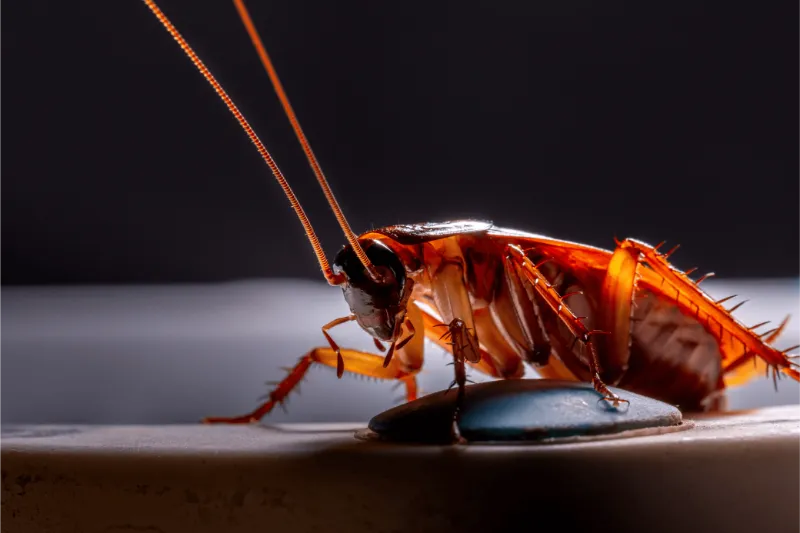
Cockroaches are persistent pests because the insects seen moving across a kitchen floor often represent only a small portion of the activity inside a home. Quick treatments may kill exposed roaches, yet hidden populations can remain protected behind appliances, inside wall gaps, near plumbing, or in other difficult-to-reach spaces.
Effective cockroach control requires more than reacting to visible insects. It depends on understanding where the infestation is established, what conditions support it, and how roaches continue moving through the property.
Visible Roaches Are Only Part Of The Problem
A cockroach infestation can extend well beyond the areas where homeowners notice activity. Roaches seek dark, protected spaces close to food, water, and warmth. Kitchens and bathrooms may provide ideal conditions, while populations also hide around utility lines, cabinets, drains, storage areas, and structural gaps.
Common factors that make infestations difficult to eliminate include:
- Hidden nesting areas that remain untouched by surface treatments
- Small cracks that allow roaches to move between rooms
- Moisture around plumbing, sinks, drains, or appliances
- Food residue in overlooked or difficult-to-clean locations
- Warm equipment spaces that provide dependable shelter
- Egg cases protected from incomplete treatment
Because these areas are easy to miss, killing several visible cockroaches does not mean the underlying infestation has been eliminated. Understanding common cockroach hiding spots helps explain why activity can continue even when sightings temporarily decrease.
Why Short-Term Treatments Often Miss The Source
Many over-the-counter approaches affect roaches that cross a treated surface or come into direct contact with a product. A treatment cannot address insects it never reaches.
Several problems can result:
- Exposed cockroaches die while concealed populations remain active
- Treatments are applied where roaches are seen instead of where they originate
- Egg cases survive and introduce another generation later
- Product placement fails to reach cracks, voids, and movement routes
- Moisture and food sources continue supporting the population
- Activity shifts into nearby rooms or less-disturbed hiding places
A temporary decline can create the impression that an infestation is gone. Days or weeks later, sightings may return because surviving cockroaches continued reproducing or untreated areas remained suitable for activity.
Professional evaluation treats the property as a connected environment rather than each sighting as an isolated event.
Reproduction Makes Partial Control Unreliable
Cockroach populations can recover when even a portion of an infestation survives. Eggs are especially important because they are enclosed within protective cases, and newly emerging cockroaches may remain unnoticed until activity becomes established.
This creates a cycle in which visible adults are reduced while younger insects and protected egg cases remain behind. Under favorable conditions, the population can build again.
Recurring activity may also indicate that the infestation has spread beyond its original location. Homeowners may first notice roaches near a sink or refrigerator, then begin seeing them in cabinets, bathrooms, utility areas, or other rooms. Increasing sightings and movement into new spaces are among the signs of escalation that suggest the issue is becoming more established.
For long-term control, each stage of the infestation must be considered rather than focusing only on visible insects.
Successful Cockroach Control Requires A Broader Strategy
Reliable cockroach control combines accurate inspection, targeted treatment, environmental correction, and continued evaluation. The goal is not simply to reduce what can be seen today, but to interrupt the conditions and pathways that allow the infestation to persist.
A comprehensive approach typically considers:
- Activity patterns to identify where populations are concentrated
- Moisture sources that provide dependable access to water
- Food and organic residue that may sustain hidden roaches
- Entry points around pipes, walls, doors, and structural openings
- Protected harborages near appliances, cabinetry, and storage
- Follow-up monitoring to determine whether activity is declining
Professional technicians can distinguish between areas that require treatment and areas where prevention or structural correction is more important. That precision focuses attention on the places most likely to support ongoing activity.
Repeat infestations are rarely solved by applying more product to the same visible areas. The underlying environment has to be evaluated as carefully as the insects themselves.
Long-Term Results Depend On Breaking The Cycle
Cockroach infestations tend to return when treatment addresses symptoms without interrupting the full cycle of shelter, food, water, reproduction, and movement. Lasting control therefore requires consistency rather than a one-time response.
After active areas are identified, the next priority is reducing the conditions that allow surviving cockroaches to recover. Treatment may need to reach concealed spaces, movement routes, and other high-risk locations that are difficult to evaluate without experience.
Follow-up is equally important. Monitoring helps determine whether activity is truly decreasing, whether another hidden area remains active, or whether changing conditions are creating new pressure.
The difference between temporary relief and effective control often comes down to how thoroughly the infestation is understood. When sightings continue despite previous efforts, a professional inspection can provide a clearer picture of where the problem is coming from and what is required to stop it.
Stop The Repeat Roach Cycle
If cockroaches keep returning, contact Alpha Home Pest Control for a professional assessment and a targeted plan designed to address hidden activity and support long-term control.