 558 Reviews
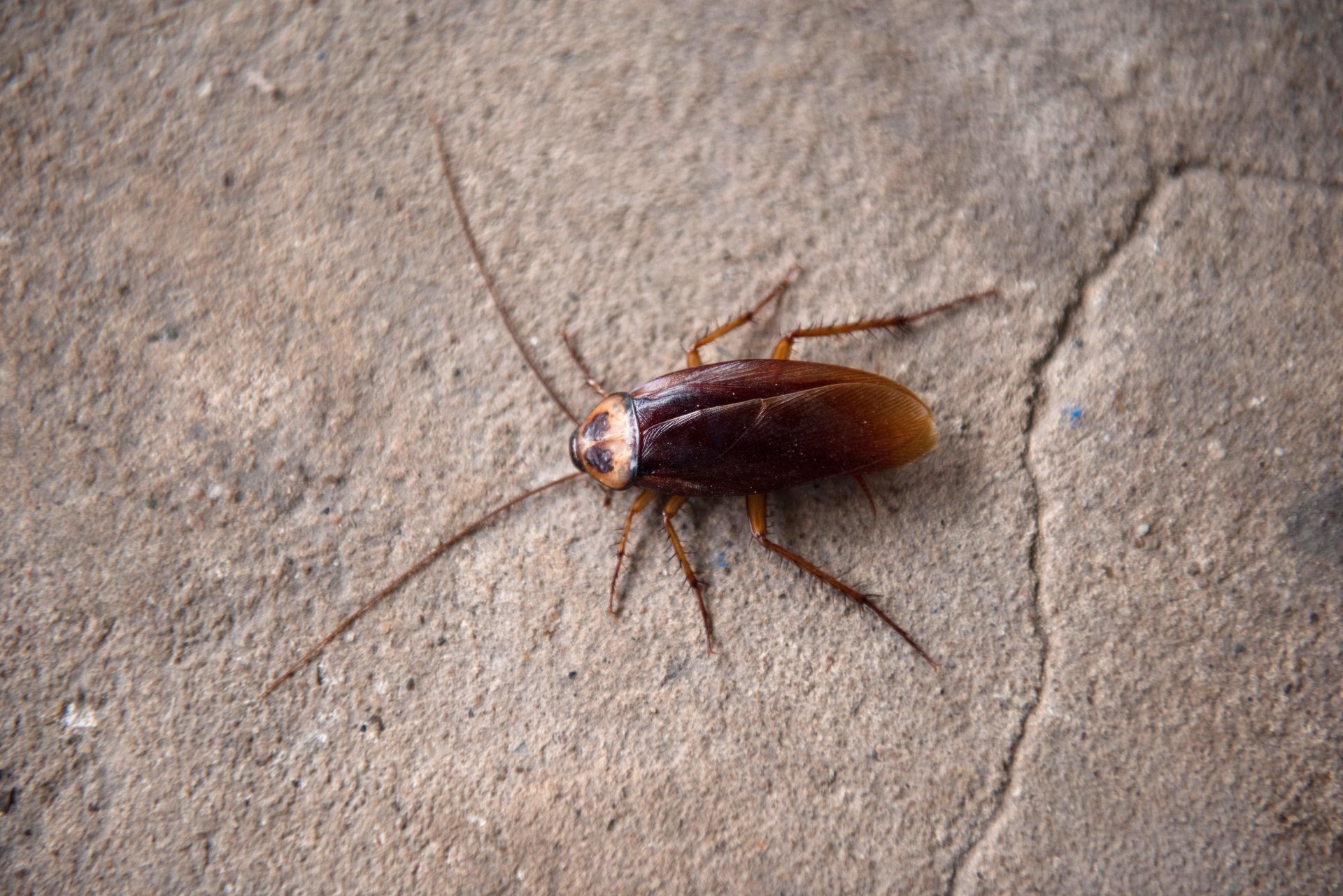
Cockroaches are rarely limited to the place where they are first seen. A roach crossing the kitchen floor at night may be connected to moisture under the sink, warmth behind an appliance, gaps near plumbing, or dark storage areas that stay undisturbed. In Idaho homes, seasonal moisture, irrigation, pet routines, food storage, and heated indoor spaces can all make hidden areas more attractive.
Cockroach control works best when it starts with where roaches live, not only where they appear. These pests prefer tight, dark spaces close to food and water. The same home conditions may also support pests such as bed bugs, fleas and ticks, mosquitoes, rats, clover mites, gophers, voles, birds, and billbugs, especially when crawl-space moisture, gutter issues, or urgent pest conditions are also present. When hiding spots are identified early, treatment becomes more accurate, and repeated activity is easier to reduce.
Kitchens Hide Food And Warmth
Kitchens are one of the most common hiding areas because they provide food, moisture, and warmth in the same space. Roaches may stay behind refrigerators, stoves, dishwashers, microwaves, cabinet voids, pantries, and trash areas during the day, then move out at night.
- Appliance motors can provide warmth and dark shelter.
- Grease film and crumbs may collect behind heavy kitchen equipment.
- Sink cabinets can hide moisture from slow leaks or condensation.
- Pantry corners may hold spills, cardboard, and food residue.
Visible roaches in the kitchen often mean the hiding area is nearby, but not necessarily obvious. A professional inspection can trace activity to the places where food, water, and shelter overlap.
Bathrooms And Drains Hold Moisture
Cockroaches need water, so bathrooms, laundry rooms, drains, and utility spaces deserve close attention. These areas may stay humid even when the rest of the home feels dry. Roaches may hide behind vanities, around toilet bases, near floor drains, behind washing machines, and inside wall gaps connected to plumbing.
For homes with children and pets, thoughtful pet-friendly service matters because treatment should consider where people and animals move, rest, and touch surfaces. A careful plan can focus on hidden roach activity while keeping household routines in mind.
Moisture-related hiding spots can also attract other pests. Fleas and ticks may be connected to pets and resting areas, while mosquitoes, rats, clover mites, and other pests may respond to water, shelter, or access points around the property.
Garages And Storage Areas Offer Shelter
Garages, utility closets, basements, and storage rooms can provide the quiet, cluttered conditions roaches prefer. Boxes, pet supplies, tools, seasonal decorations, paper bags, and stored materials can create hiding places that are rarely moved. These areas may also connect directly to exterior pest pressure through door gaps, vents, and wall openings.
- Cardboard boxes can provide shelter and hidden travel paths.
- Pet food storage can attract roaches if odors or crumbs build up.
- Garage thresholds may leave low-level openings near the floor.
- Utility areas can connect plumbing, warmth, and protected cracks.
Storage areas are often overlooked because they are not part of the daily living space. However, roaches can use them as staging areas before moving into kitchens, bathrooms, or laundry rooms.
Wall Voids And Entry Points Keep Activity Hidden
Roaches often travel through spaces homeowners cannot see. Small gaps around pipes, baseboards, cabinets, outlets, door frames, and wall voids can allow movement between rooms. Once roaches have a protected route, they may appear in different areas even when the source is in one hidden location.
Spring-focused roach control is helpful because warmer temperatures and moisture changes can increase movement. A low-impact approach still depends on accurate inspection, correct identification, and targeted placement. Without knowing where roaches hide, even careful treatment can miss the spaces that keep the infestation active.
Entry-point review is also useful for rats, ants, mosquitoes, clover mites, birds, and other pest concerns. The same structural gaps that let one pest enter can create ongoing problems for others.
Crawl Spaces And Exterior Connections Matter
Some indoor roach problems begin below or outside the living space. Crawl spaces, foundation edges, gutters, vents, patios, and exterior utility lines can influence what happens indoors. If moisture, debris, or access points are present, roaches may move closer to the structure and eventually inside.
- Crawl-space moisture can support hidden pest pressure below the home.
- Gutter issues may push water toward the foundation edges.
- Exterior cracks can guide pests toward wall voids and garages.
- Patio doors and utility lines may create repeat access routes.
Long-term cockroach control requires more than addressing the room where a roach was seen. The full property should be evaluated for moisture, shelter, food, entry points, and related pest activity. Professional inspection helps determine whether roaches are isolated indoors or supported by exterior conditions. That broader view makes treatment more precise and helps reduce recurring activity before it spreads deeper into the home.
Find The Hiding Spots Before Roaches Spread
For cockroach control that looks beyond visible sightings and considers moisture, appliances, drains, storage, wall gaps, and exterior pressure, contact Alpha Home Pest Control for professional support shaped around Idaho homes.