 558 Reviews
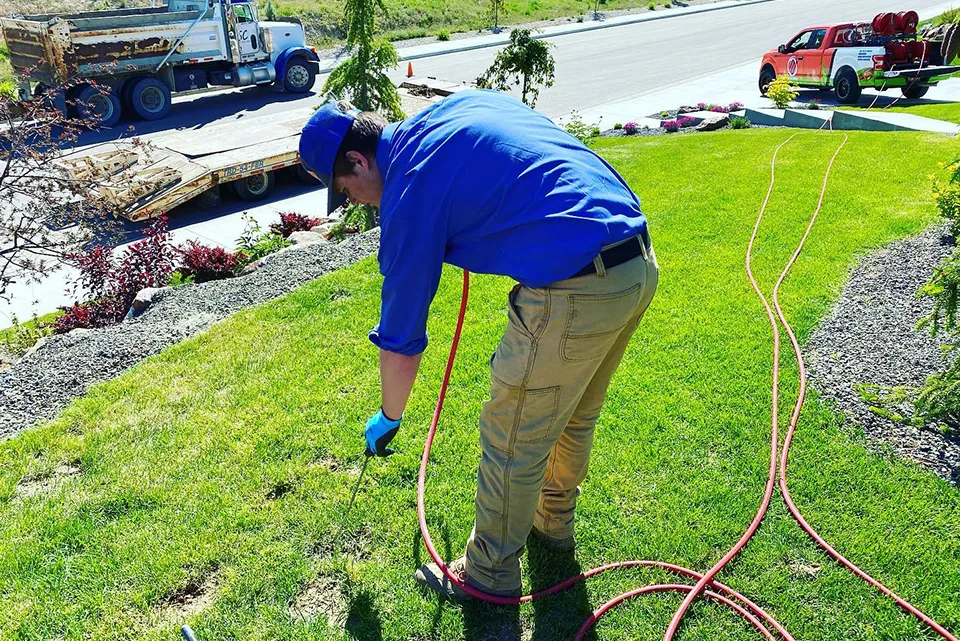
For many Idaho families, pets are part of daily life. Dogs rest near patios, cats explore window ledges, and children often share the same floors, couches, and yard spaces. When pests appear, the treatment plan should consider everyone who uses the home, including pets that sniff, lick, nap, and move close to treated areas.
Pet-friendly pest control is not about ignoring pests or choosing weak solutions. It is about using inspection, careful product selection, targeted placement, preparation, and follow-up to reduce pest activity while keeping household routines in mind. This is especially important for homes dealing with bed bugs, cockroaches, fleas and ticks, mosquitoes, rats, clover mites, gophers, voles, billbugs, birds, and urgent pest situations.
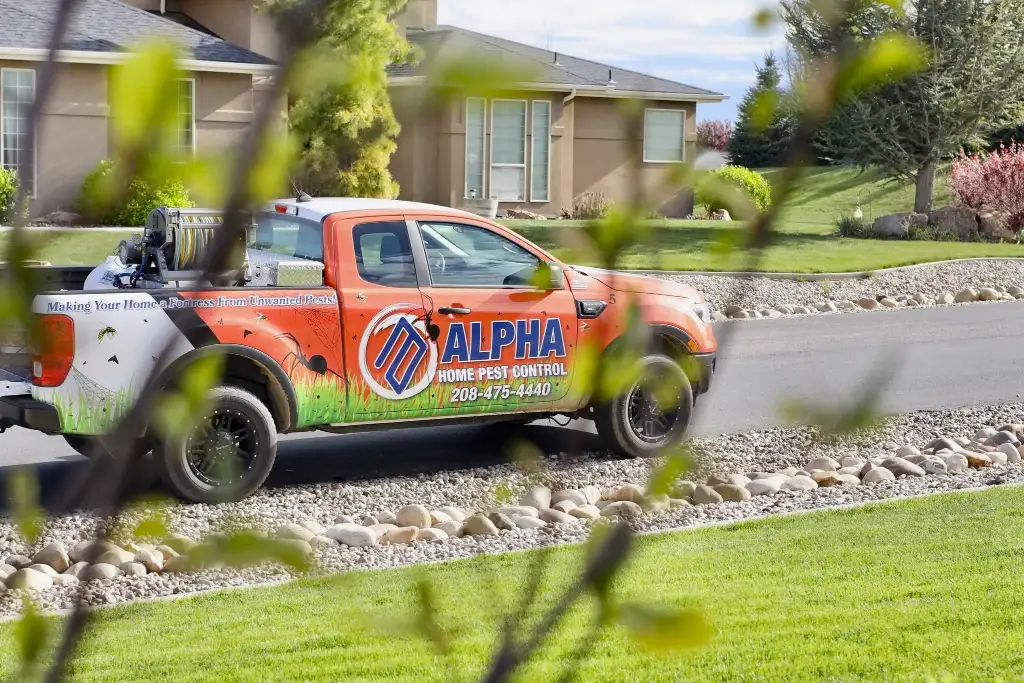
Inspection Comes Before Treatment
A safer pest plan begins with a clear inspection. Before any product is applied, professionals need to identify the pest, locate activity, and understand where your pets spend time. A flea problem near pet bedding is different from rats entering a garage or cockroaches hiding near kitchen plumbing.
- Inspect pet resting areas, baseboards, garages, crawl spaces, and yard edges.
- Look for droppings, trails, bites, damage, moisture, and hidden nesting areas.
- Review where pets eat, sleep, play, and enter the home.
- Match the treatment plan to the pest and the property layout.
This process helps avoid unnecessary applications. It also supports more precise service because the technician can focus on the places where pests are active, not the entire home without direction.
Preparation Helps Protect Pets And People
Preparation is a major part of pet-friendly service. Homeowners should understand what needs to be moved, covered, cleaned, or kept away from treatment areas. Pet bowls, toys, bedding, litter boxes, crates, and small-animal enclosures may need special attention before service begins.
A professional visit is easier to manage when families know what to expect. Guidance on pest inspection steps is useful because inspection often includes entry-point checks, moisture review, pest evidence, and long-term prevention guidance. Those details help the treatment plan fit the home instead of disrupting it unnecessarily.
Preparation may also include keeping pets out of specific areas until surfaces are ready for normal use. Clear instructions help families feel confident and prevent avoidable contact.
Targeted Treatments Reduce Unnecessary Exposure
Pet-friendly does not mean treatment-free. It means treatment should be targeted, measured, and based on evidence. Technicians may focus on cracks, crevices, exterior zones, entry points, turf areas, pet resting zones, or pest pathways depending on the issue. Fleas and ticks may require attention to indoor resting areas and outdoor pressure points. Cockroaches may require careful work near hidden harborage. Rats may need entry-point review and exclusion guidance.
- Target active pest zones instead of treating rooms without evidence.
- Use placement methods that limit access by pets when appropriate.
- Treat exterior pressure points to reduce pests before they move indoors.
- Follow label directions, drying times, and technician instructions carefully.
This professional precision is why service can be both effective and mindful of household safety. The goal is to reduce pests while respecting how families and pets use the home.
Family Homes Need Clear Communication
Homes with pets often also have small children, visiting relatives, or guests. That makes communication essential. Families should know where treatment will occur, how long to keep pets away, what areas need ventilation, and when normal routines can resume. Professional guidance removes guesswork.
A discussion of pet-safe treatments is helpful because many families want to understand how services can be planned around both animals and children. The answer depends on the pest, the product, the treatment location, and the timing.
Good communication also helps with follow-up. If pests return near pet bedding, yard edges, or food storage, those details should be shared so the plan can be adjusted.
Long-Term Prevention Supports A Healthier Home
The best pet-friendly pest control plans do more than treat the current issue. They help reduce the conditions that allow pests to return. Idaho homes can face seasonal pressure from fleas and ticks, mosquitoes, clover mites, cockroaches, rats, gophers, voles, billbugs, birds, and bed bugs. Prevention should fit the property and the family’s routine.
- Keep pet food sealed and clean bowls after feeding when possible.
- Wash pet bedding and monitor resting areas for flea or tick activity.
- Reduce yard clutter, standing water, and hidden shelter near the home.
- Schedule a follow-up when the activity returns after a one-time service.
Professional service helps connect pest activity with entry points, moisture, turf conditions, storage areas, and pet traffic patterns. That broader view supports long-term protection because it addresses why pests are showing up, not just where they were noticed.
Protect Your Home With Pet-Aware Pest Care
For pet-friendly pest control that considers your family’s routines, pet spaces, inspection findings, and long-term prevention needs, contact Alpha Home Pest Control for professional support shaped around Idaho homes, seasonal pests, and the comfort of everyone who lives there.