 558 Reviews
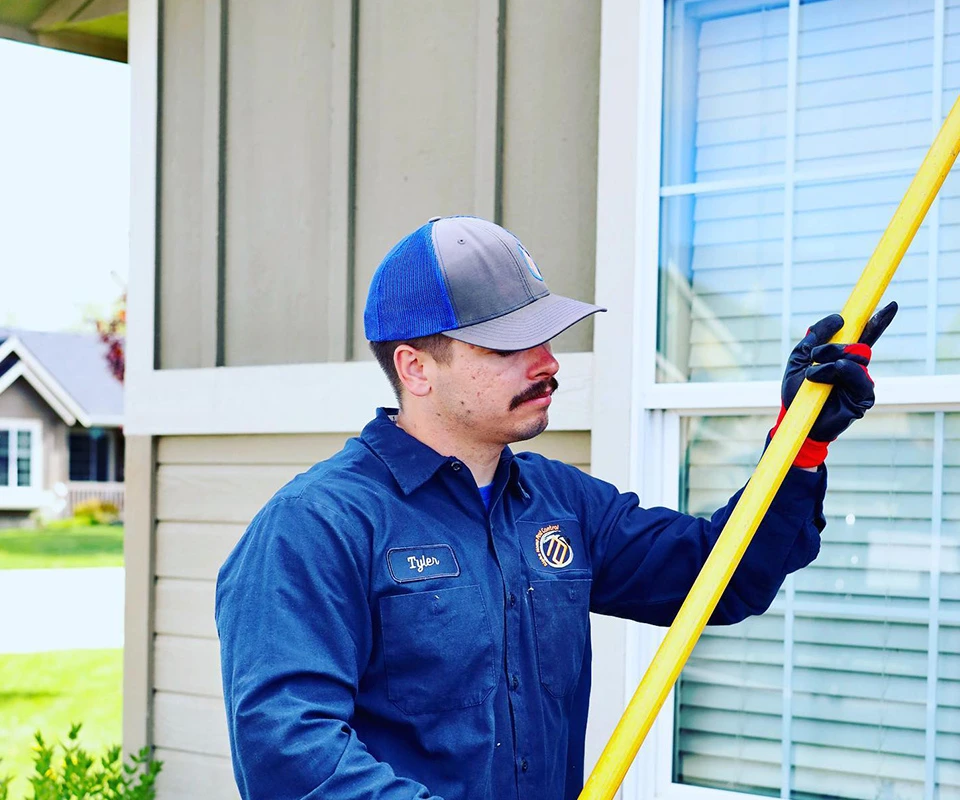
A professional pest inspection is more than a quick look around the house. It is a structured review of the places pests use for shelter, food, moisture, and entry. For homeowners in Kuna and the Treasure Valley, seasonal temperature swings, irrigation, crawl-space moisture, lawns, and stored household items can all create conditions that attract pests.
A detailed inspection helps identify current activity and the reasons it may keep returning. Instead of focusing only on what is visible, professionals look for patterns involving ants, spiders, mosquitoes, billbugs, cockroaches, bed bugs, fleas, ticks, clover mites, gophers, voles, and rodents. The goal is to understand the property as a whole so treatment is accurate, efficient, and built for long-term protection.

A careful review of indoor and outdoor pressure points
The first part of a pest inspection usually focuses on areas where activity is most likely to begin. Indoors, that can include kitchens, bathrooms, laundry rooms, storage spaces, basements, garages, and crawl-space access points. Outdoors, inspectors look around the foundation, eaves, windows, doors, siding seams, lawn edges, trash areas, and landscaping.
Spring inspections are especially helpful because pest activity often rises quickly after warmer weather arrives. A pest control checklist can also help homeowners understand why clutter, standing water, overgrown vegetation, and exterior gaps often matter before pest problems become obvious.
- Inspect kitchens, bathrooms, and laundry areas for food, moisture, and hidden movement
- Check crawl spaces, garages, closets, and storage zones for nesting or shelter conditions
- Review exterior cracks, screen damage, door gaps, and utility openings
- Look around eaves, siding, trash cans, patios, and foundation lines
- Note lawn and landscape areas that may support mosquitoes, billbugs, clover mites, gophers, or voles
This step helps reveal whether pests are entering from outside, nesting indoors, or using both areas. It also gives technicians a clearer path for treatment instead of relying on surface-level clues.
Identifying evidence and connecting it to the right plan
A good inspection does not rely on sightings alone. Many pests leave signs long before they are seen directly. Cockroaches may leave droppings in tight kitchen and bathroom gaps. Rodents can leave rub marks, gnaw marks, and nesting material. Bed bugs may leave stains, shed skins, or activity near beds and furniture. Fleas and ticks can affect pets first, while mosquitoes often connect to standing water and shaded resting areas.
Crawl spaces deserve close attention. Damp air, damaged insulation, debris, gaps, and odor can create pest-friendly conditions below the home. These areas may influence indoor comfort even when residents rarely see the space. A pest inspection should connect hidden conditions to the activity noticed upstairs.
- Separate old signs from active pest evidence
- Identify the pest species before recommending treatment
- Locate harborage areas, travel paths, and entry points
- Review moisture, clutter, food access, and exterior pressure
- Explain whether the issue needs one-time service, follow-up, or long-term prevention
This professional judgment matters because no two homes have the same layout, storage habits, landscape pressure, crawl-space condition, or pest history. A treatment plan may include interior spot treatments, exterior barrier work, crack-and-crevice service, crawl-space recommendations, mosquito reduction, lawn-focused treatment, or rodent entry-point attention.
Clear communication, preparation, and customer trust
A professional inspection should end with clear findings, not confusion. Homeowners should know what was found, why it matters, and what happens next. The best inspectors explain conditions in plain language, answer questions, and outline realistic expectations for treatment and prevention. This is especially important for pests that may require follow-up, such as bed bugs, cockroaches, fleas, ticks, mosquitoes, rodents, or lawn-damaging pests.
Customer experience matters because pest control often involves access to private spaces, crawl areas, bedrooms, kitchens, and family routines. Reading customer reviews can help homeowners understand how communication, reliability, professionalism, and follow-through shape the service experience.
- Ask what evidence was found and where it was located
- Request clear treatment expectations and preparation instructions
- Understand whether follow-up service may be needed
- Keep notes on recurring activity after treatment
- Choose long-term prevention over reaction-only service
Preparation may be simple, such as creating access to baseboards, moving stored items away from walls, securing pets, or clearing areas around crawl-space entries. The inspector should explain what is necessary for the specific pest concern instead of giving generic instructions. That guidance helps treatment reach the right areas with less disruption.
A pest inspection is most valuable when it leads to action based on facts. By finding entry points, moisture concerns, pest evidence, and hidden risk areas, professionals can build a plan that protects the home more efficiently and reduces repeat problems over time.
See What Your Home May Be Hiding
Pest problems often begin quietly in areas homeowners rarely check, such as crawl spaces, garages, wall gaps, storage corners, and exterior entry points. A careful inspection can reveal early warning signs before they turn into larger concerns. For a detailed pest inspection and practical treatment guidance, contact Alpha Home Pest Control today.