 558 Reviews

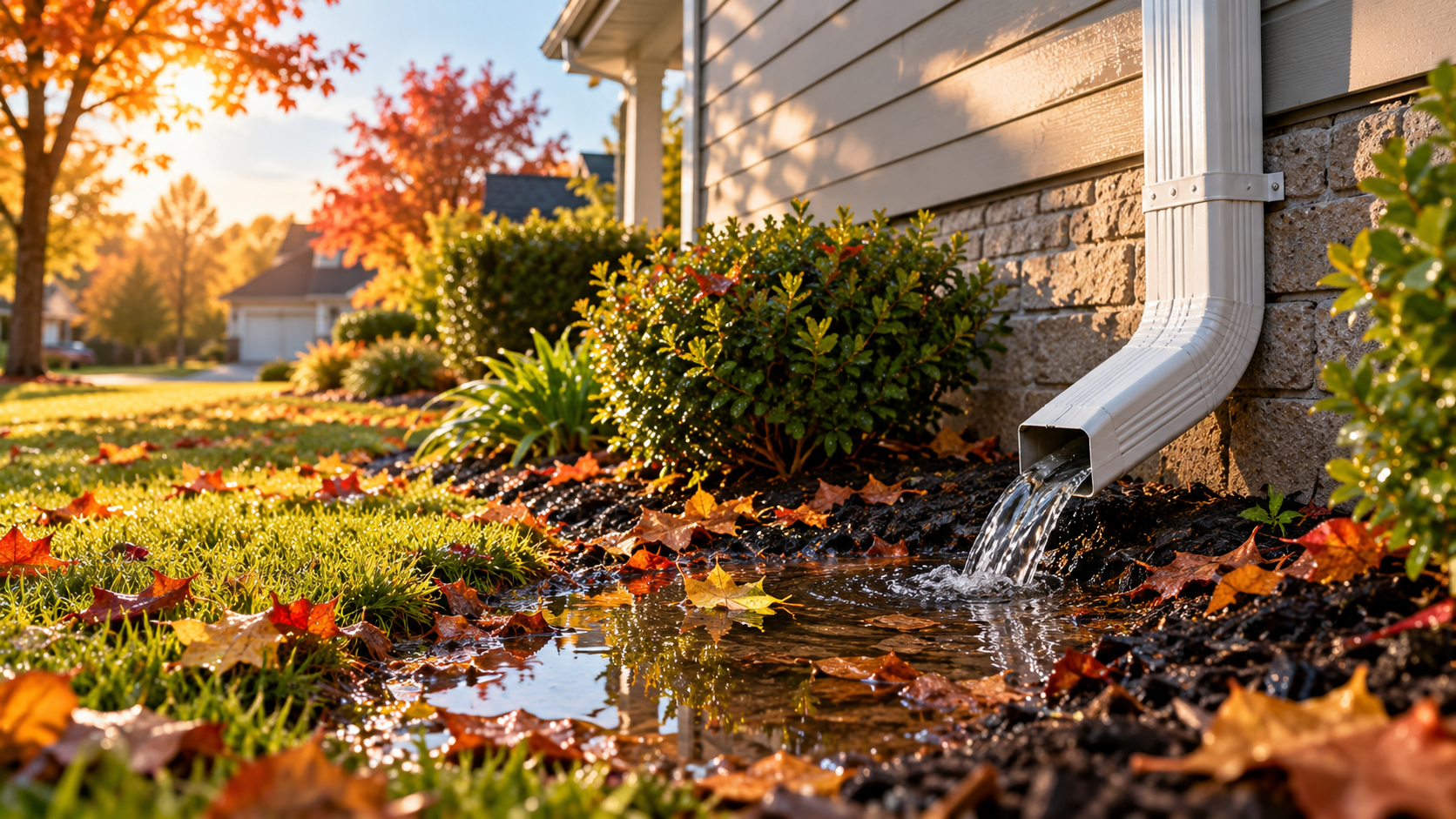
Early fall can bring cooler nights while lawns, shaded soil, irrigation zones, gutters, and landscape beds still hold moisture from summer watering or seasonal rain. Those damp areas can become pest hotspots because they provide water, shelter, and protected conditions close to the home. In Kuna and across the Treasure Valley, that can influence where mosquitoes, cockroaches, fleas, ticks, clover mites, rodents, billbugs, gophers, voles, birds, and other supported pests become active.
Our team looks at moisture as one part of the property-wide picture. Standing water, wet debris, dense vegetation, crawl-space moisture, and drainage problems can all change where pests gather. Professional inspection helps determine which damp areas are actually connected to current activity, allowing treatment and prevention to stay focused rather than treating every wet spot the same way.

Moisture Can Turn Quiet Yard Areas Into Pest Hotspots
Water does not have to form a large puddle to influence pest activity. Shaded soil, damp mulch, clogged drainage areas, irrigation overspray, and water collecting beneath outdoor items can all create favorable conditions. Mosquitoes may use standing water, while cockroaches and other pests can benefit from damp shelter. Fleas and ticks may also remain active in shaded outdoor areas used by pets.
Our guide to professional pest inspection explains why technicians compare moisture, shelter, entry points, and pest evidence before deciding what needs treatment.
Moisture-related areas worth checking include:
- Low spots where irrigation or rainwater drains slowly
- Shaded lawn edges that stay damp longer than open areas
- Mulch and leaf debris holding moisture beside foundations
- Pet areas with water bowls or frequently damp ground
- Gutters or downspouts sending overflow toward the structure
- Crawl-space edges where outside moisture may affect conditions below
These locations can create concentrated activity even when the rest of the yard appears dry.
Landscaping And Drainage Can Keep Pest Pressure Close To The Home
Early fall moisture becomes more important when it overlaps with shelter. Dense shrubs, stacked materials, overgrown lawn edges, fallen leaves, and debris can reduce airflow and keep the ground damp. Those same conditions may also make it easier for rodents, birds, insects, or lawn pests to remain close to the structure without much disturbance.
Our technicians look for patterns rather than isolated conditions. A damp flower bed may not be a serious issue by itself, but repeated pest activity in the same area can indicate that water, shelter, and access are working together.
Common pressure points include:
- Dense vegetation touching siding or foundation edges
- Damp debris collected behind sheds or outdoor storage
- Irrigation repeatedly wetting the same wall or planting bed
- Lawn damage where billbugs may be active beneath stressed turf
- Burrow activity from gophers or voles in protected yard sections
- Roof or gutter runoff creating wet soil near structural openings
Correcting drainage or landscaping can reduce attraction, but active infestations still need to be identified correctly before treatment is planned.
Fall Inspection Helps Separate Moisture From The Real Pest Source
Moisture can support pest activity, but it is not always the only reason a problem is developing. Our article on fall pest preparation explains why seasonal inspection should also consider food, shelter, structural access, crawl spaces, rooflines, and repeated sightings.
A professional fall assessment may include:
- Checking standing water and shaded areas for mosquito pressure
- Reviewing pet-use zones for flea or tick activity
- Inspecting damp foundation areas for cockroach or rodent evidence
- Examining lawns for billbug damage or burrowing pest activity
- Looking at crawl spaces for moisture, droppings, or hidden access
- Comparing current findings with pest activity seen earlier in summer
This broader inspection helps our team avoid assuming that moisture alone explains the problem.
Follow-up also matters because early fall conditions can change quickly. A rainy week may create new wet areas, while cooler temperatures can shift rodent or cockroach activity toward garages, crawl spaces, and other protected zones. Irrigation schedules may also stay set for summer even after plants need less water, leaving parts of the property wetter than necessary.
Professional monitoring gives us a clearer way to see whether pest pressure is declining after moisture conditions improve. Fresh droppings, new lawn damage, recurring mosquito activity, or continued sightings around the same damp area can show that the source is still active and needs additional attention.
The strongest long-term approach combines moisture management, inspection, targeted treatment, and prevention. Standing water should be addressed, drainage should direct moisture away from the structure, and dense shelter near foundations should be reviewed. However, once mosquitoes, cockroaches, fleas, ticks, rodents, billbugs, gophers, voles, or other supported pests are established, correcting moisture alone may not remove them.
Early fall is a useful time to identify these patterns because the yard is transitioning between summer heat and cooler seasonal conditions. Finding pest hotspots now can help prevent the same damp areas from continuing to support activity closer to the home as fall progresses.
Turn Damp Yard Zones Into A Clear Prevention Plan
If moisture, drainage, or recurring outdoor activity is creating pest hotspots around your property, contact Alpha Home Pest Control for professional inspection, targeted treatment, and long-term prevention.