 558 Reviews


A professional pest inspection is more than a quick walk through the property. It is a structured review of where pests find food, moisture, shelter, nesting sites, and entry points. In Kuna and the Treasure Valley, seasonal temperature changes, irrigation, crawl-space moisture, and exterior gaps can influence where pest activity develops.
Our team uses a pest inspection to understand the property as a whole before recommending treatment. We look for visible pests, but we also study droppings, webs, gnaw marks, damaged materials, moisture, entry points, and other evidence that can reveal hidden activity. That process helps distinguish an isolated sighting from a broader problem and keeps treatment focused on confirmed conditions.
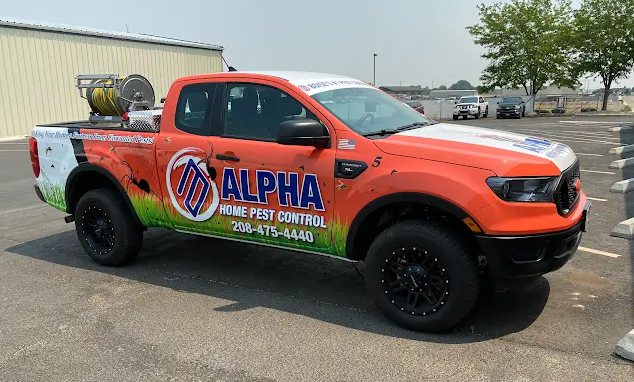
The Visit Starts With A Detailed Indoor And Outdoor Review
A professional inspection normally begins by checking the areas where pest pressure is most likely to develop. Indoors, that may include kitchens, bathrooms, laundry rooms, garages, storage spaces, crawl-space access points, and other low-disturbance areas. Outside, our technicians review foundations, eaves, doors, windows, siding seams, trash areas, lawn edges, and landscaping.
Our guide to professional inspection steps explains why these pressure points matter. Ants, spiders, mosquitoes, cockroaches, bed bugs, fleas, ticks, clover mites, billbugs, gophers, voles, and rodents can leave very different signs around the same property.
During the inspection, we may:
- Check kitchens and bathrooms for food, moisture, and hidden movement
- Review crawl spaces, garages, closets, and storage zones for shelter
- Inspect exterior cracks, damaged screens, door gaps, and utility openings
- Look around eaves, siding, patios, trash areas, and foundation lines
- Examine lawns and landscaping for billbugs, clover mites, gophers, or voles
- Note standing water or shaded areas that may support mosquitoes
This gives our technicians a clearer map of where activity is concentrated and how pests may be moving.
Evidence Helps Determine What Kind Of Treatment Is Appropriate
A good inspection does not rely on sightings alone. Many pests spend most of their time hidden, so the evidence around them is often more useful than the insect or rodent that happens to be visible.
Cockroaches may leave droppings in cabinets or plumbing gaps. Rodents can leave rub marks, gnawing, and nesting material. Bed bugs may leave stains, shed skins, or signs of activity around beds and furniture. Fleas and ticks may first be noticed on pets, while mosquitoes often connect to standing water and shaded resting areas.
Our technicians may also look for:
- Fresh evidence that can be separated from older pest signs
- Harborage areas where pests can remain undisturbed
- Travel routes connecting food, water, shelter, and entry points
- Moisture, clutter, or storage conditions that support activity
- Structural gaps that may need exclusion after active pests are addressed
- Areas that may require follow-up rather than one-time service
Once the evidence is organized, the treatment plan can be matched to the pest and the property instead of using the same response in every room.
Clear Findings And Follow-Up Make The Inspection More Valuable
A professional pest inspection should end with clear information. Homeowners should know what was found, where the evidence appeared, which conditions may be contributing to the problem, and what the next step will involve.
Communication also matters when choosing a provider. Our article on customer service reviews explains how customer feedback can reveal patterns involving thoroughness, reliability, communication, and follow-through. Those qualities matter when pest problems need monitoring over several visits.
After the inspection, our team may:
- Explain which pest signs are active and which appear older
- Review the recommended treatment areas and preparation steps
- Describe whether interior, exterior, lawn, or crawl-space service is needed
- Discuss whether recurring service or reinspection may be useful
- Identify entry-point or moisture concerns that affect long-term prevention
- Provide a clear plan for monitoring activity after treatment
This discussion helps set realistic expectations. Some problems may respond quickly, while bed bugs, cockroaches, fleas, ticks, mosquitoes, rodents, or lawn-damaging pests may require follow-up because their life cycles, hiding places, or surrounding conditions can keep activity going.
Preparation for service is often simple but should be specific to the findings. Our technicians may recommend creating access to baseboards, moving stored items away from certain walls, securing pets, or clearing crawl-space access. The purpose is to give the professional enough access to inspect and treat the areas where evidence was found.
A detailed pest inspection is valuable because it replaces assumptions with a documented plan. It connects pest evidence with moisture, shelter, food, landscaping, and structural access, then uses that information to guide treatment and prevention.
It also creates a baseline for future visits. If activity changes after treatment, our team can compare new evidence with what was recorded earlier and decide whether the original problem is declining, shifting, or being renewed from another source. That makes follow-up more precise.
Turn Inspection Findings Into A Smarter Pest Plan
If you want a professional assessment of hidden activity, entry points, moisture concerns, and recurring pest pressure, contact Alpha Home Pest Control for a detailed pest inspection and a treatment plan based on what the property actually shows.