 558 Reviews

Bed bugs are difficult to eliminate because the insects do not stay in one obvious location. Adults, nymphs, and eggs can remain hidden in mattress seams, furniture joints, baseboards, cracks, outlets, luggage zones, and other narrow spaces. A treatment that reaches only visible activity can therefore leave enough of the infestation behind for the problem to return.
Effective bed bug control takes a broader approach. The goal is to identify where activity is concentrated, expose hidden harborages to lethal conditions, address high-risk areas in detail, and reduce the chance of new bed bugs being carried back into the property. Long-term success depends on treating the infestation as a complete life-cycle problem rather than a surface-level nuisance. That means understanding how bed bugs move, where they shelter, and which treatment conditions are required to reach hidden insects throughout the affected space.
Accurate Mapping Comes Before Treatment
A thorough inspection establishes the true scope of an infestation before treatment begins. Technicians look for live bugs, eggs, shed skins, spotting, and other evidence around beds, furniture, baseboards, and common travel or luggage areas. This helps identify where bed bugs are hiding and how activity may be moving through the property.
Careful mapping matters because bed bugs can spread beyond the room where they are first noticed. In apartments, rentals, and other shared properties, neighboring spaces may also require attention. The discussion of landlord responsibilities explains why prompt inspection, documentation, and professional treatment are especially important when multiple occupants or units may be affected.
A professional inspection helps treatment stay focused on confirmed evidence rather than assumptions. Important inspection priorities include:
- Checking mattress seams, bed frames, upholstered furniture, and baseboards
- Looking for eggs, shed skins, spotting, and live insects
- Examining cracks, outlets, joints, and other protected hiding spaces
- Reviewing luggage zones and belongings that may have transported bed bugs
- Determining whether activity appears isolated or has spread farther
- Building a room-by-room treatment plan from the findings
Controlled Heat Targets Every Life Stage
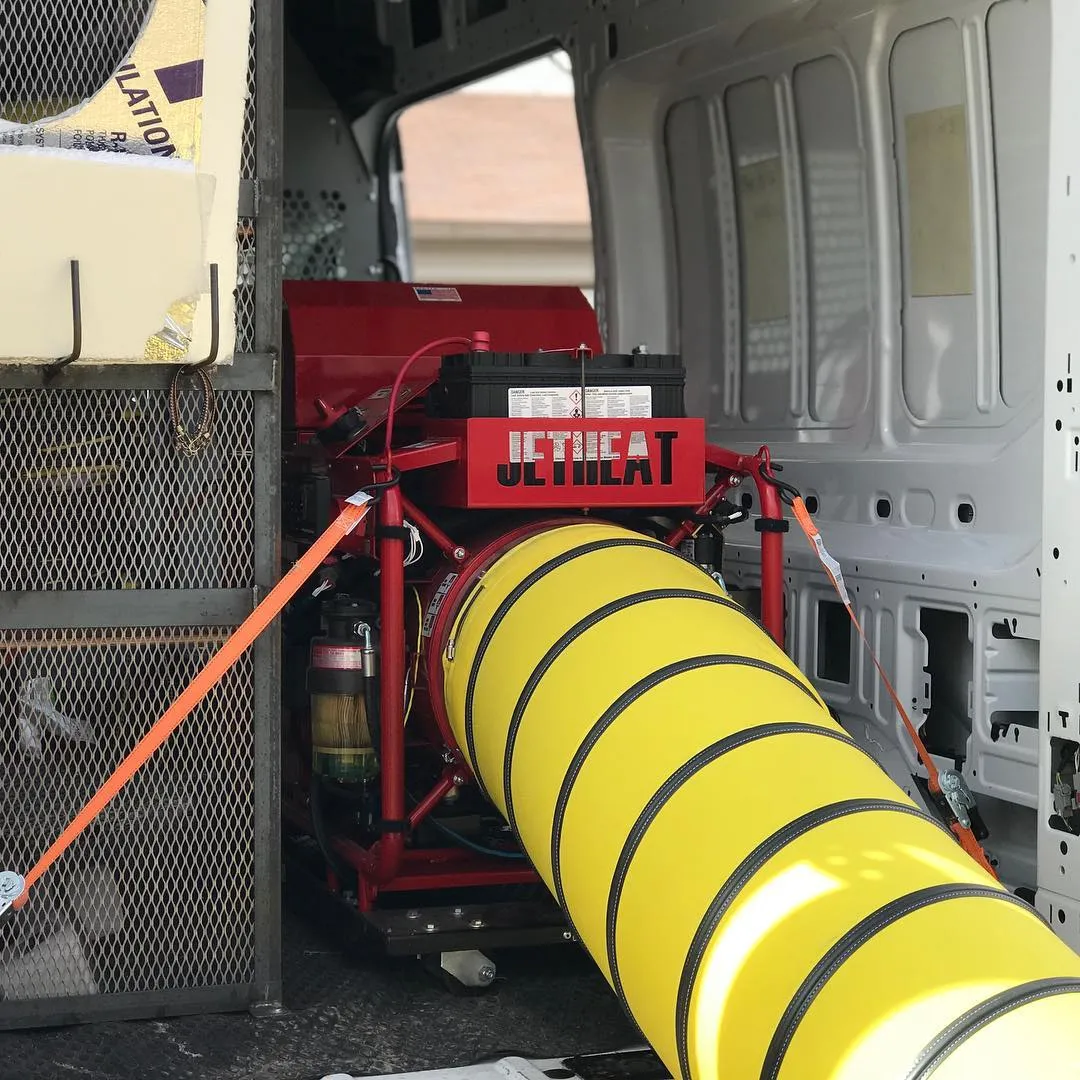
Heat treatment is designed to reach bed bugs where ordinary surface treatment may not. The treatment area is raised into a lethal temperature range, with the company’s current service information specifying approximately 125 to 140°F. Commercial heaters and fans distribute heat through the room while multiple sensors track conditions in difficult-to-warm areas.
This process is important because bed bugs hide in places where direct access is limited. Properly managed heat can penetrate mattress seams, couch cushions, furniture joints, baseboards, cracks, and wall voids. It also addresses eggs, which is essential for breaking the reproductive cycle rather than simply reducing the number of active insects.
Successful heat treatment depends on preparation, airflow, monitoring, and sufficient exposure time. Technicians adjust equipment as temperatures change so cool zones do not allow insects to survive. Key parts of a controlled heat plan include:
- Positioning commercial heaters according to room layout and infestation scope
- Using fans to move heated air through concealed and obstructed areas
- Tracking temperatures with multiple sensors throughout the treatment
- Adjusting airflow when certain locations heat more slowly than others
- Holding lethal temperatures long enough to affect adults, nymphs, and eggs
- Following preparation instructions so heat can circulate effectively
This measured process is one reason professional treatment is more reliable than reacting only to visible insects. It also provides technicians with real-time information so they can correct uneven heating before treatment is considered complete. Eliminating all life stages requires consistent conditions across the treatment area.
Detail Work And Prevention Reduce Reintroduction
Eradication does not end when the heaters are turned off. After heating, technicians can focus on high-risk points such as bed frames, outlets, cracks, seams, and other places where survivors or overlooked activity could remain. This additional detail work strengthens the overall treatment by concentrating attention on areas known to support concealed bed bugs.
Prevention is equally important because bed bugs are hitchhikers. They can enter on luggage, secondhand furniture, deliveries, clothing, and personal belongings. Even a successful treatment cannot prevent a completely new introduction if infested items later enter the property. Similar source-based thinking is used in other pest services, as shown in guidance on reducing tick activity, where professionals connect treatment with the conditions that allow pests to return.
Long-term protection therefore includes practical reintroduction awareness. A complete follow-through may involve:
- Reviewing luggage after travel before items are moved into sleeping areas
- Checking secondhand furniture carefully before bringing it indoors
- Following preparation and post-treatment instructions exactly
- Avoiding unnecessary movement of belongings between treated and untreated rooms
- Watching previously active areas for renewed signs after service
- Reporting suspected activity promptly so it can be evaluated accurately
The strongest bed bug control strategy combines identification, monitored heat, targeted detail work, and prevention. Each step closes a different gap that could otherwise allow the infestation to persist or begin again.
Restore Confidence In Your Home
Persistent bed bug activity requires a precise, whole-room approach rather than guesswork. For professional inspection, monitored heat treatment, and a plan focused on lasting control, contact Alpha Home Pest Control.