 558 Reviews
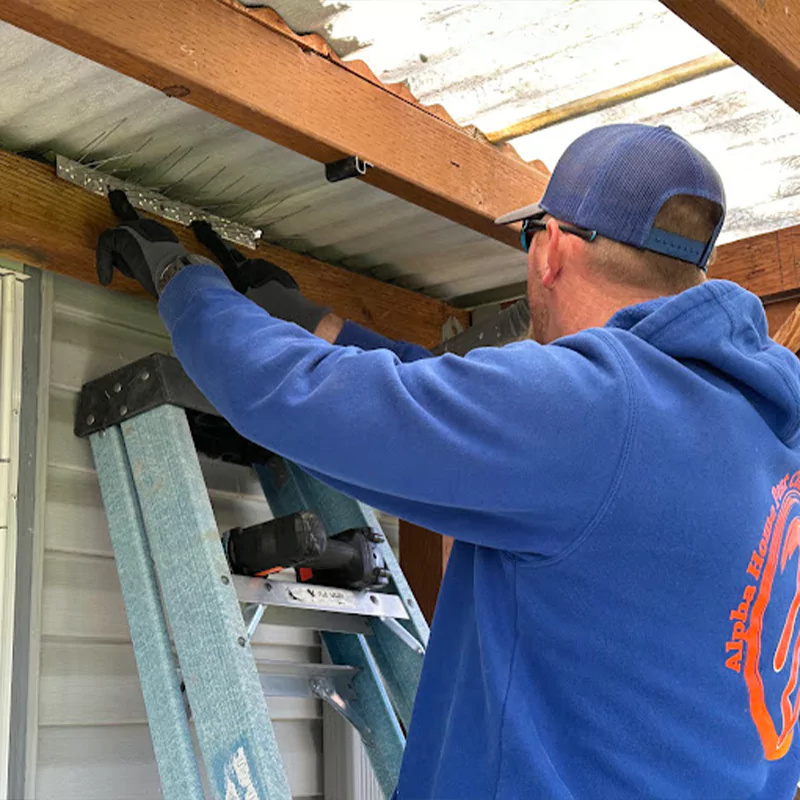
Gutters move rainwater away from the roof and foundation, but when they fill with leaves, twigs, dirt, and debris, they can become attractive places for pests. Standing water, damp organic material, and sheltered roof edges may support insects, rodents, birds, and other unwanted activity close to the home.
Effective pest control is easier when these conditions are reduced before pests become established. Regular gutter cleaning supports drainage, limits moisture, and makes roofline areas less suitable for pests that depend on water, shelter, or concealed access points.
Clogged Gutters Can Create Reliable Water Sources
Water is one of the most important resources pests seek around a property. When gutters cannot drain properly, rainwater may sit for extended periods or overflow into shaded areas along the roofline and foundation.
Moisture problems may include:
- Standing water trapped behind leaves and roof debris
- Damp organic material that stays wet after rainfall
- Overflow that keeps siding or foundation areas moist
- Downspouts that discharge into poorly drained soil
- Water collecting near crawl-space or basement openings
- Repeated dampness around roof edges and exterior walls
Mosquitoes can benefit from standing water, while cockroaches, fleas, ticks, and other pests may be drawn to damp environments. Reducing these moisture sources helps make the property less supportive of pest activity and improves other preventive measures.
Debris Can Provide Shelter And Nesting Material
A neglected gutter offers more than water. Packed leaves, twigs, and organic buildup can create protected spaces where insects or other pests remain sheltered from sun, wind, and predators.
Birds may also investigate roofline areas for nesting opportunities, while rodents can use nearby branches, roof edges, or damaged sections to approach the structure. Once pests become comfortable around the roof, small construction gaps may become more important.
Regular cleaning removes material that creates this sheltered environment. It also makes damaged gutters, loose fascia, roof gaps, or other structural conditions easier to see.
Professional pest control becomes more precise when the surrounding environment is clear enough to inspect. A clean roofline gives technicians a better view of where activity may be starting.
Overflow Can Increase Cockroach And Crawl-Space Pressure
Water spilling from clogged gutters does not stay at the roof. It can saturate soil near foundations, increase humidity around crawl spaces, and keep shaded exterior areas damp longer than normal.
These conditions can contribute to recurring cockroach activity, particularly when moisture is combined with food, shelter, and access points. Understanding why cockroach problems return helps explain why simply treating visible insects may not solve a moisture-supported infestation.
High-risk conditions can include:
- Wet soil directly beside foundation walls
- Damp crawl-space vents or access areas
- Organic debris collecting where water overflows
- Moisture around utility lines entering the home
- Softened or deteriorating exterior materials
- Repeated insect activity near basement or crawl-space edges
Gutter maintenance supports pest prevention by helping water move away from these vulnerable zones instead of creating persistent moisture around the structure.
Roofline Access Can Turn Into Indoor Pest Activity
Gutters, fascia boards, soffits, vents, and roof edges form a connected part of the building envelope. When debris hides gaps, or moisture contributes to deterioration, pests may gain access to attics, wall voids, crawl spaces, or other protected areas.
Birds and rodents may use larger openings, while insects can enter through much smaller cracks. Repeated scratching, droppings, nesting material, or sudden activity in multiple rooms may indicate that a structural opening is already being used.
Guidance on urgent pest activity shows why rapid changes in pest pressure often point to a hidden source rather than an isolated sighting.
A professional inspection can connect indoor evidence with exterior conditions, including damaged vents, moisture, roof gaps, or debris-covered access points.
Long-Term Prevention Works Best As A Property-Wide Plan
Gutter cleaning removes conditions that support pests, but it should be part of a broader prevention strategy. Homes can still experience pest pressure through landscaping, plumbing, crawl spaces, doors, windows, and other entry points.
A complete plan may include:
- Cleaning gutters and downspouts before heavy seasonal buildup
- Correcting drainage problems near foundations and crawl spaces
- Trimming branches that create easy roof access
- Repairing loose screens, fascia, soffits, or exterior gaps
- Monitoring rooflines for bird, rodent, or insect activity
- Scheduling professional inspection when recurring signs appear
The goal is not to assume every clogged gutter will create an infestation. Instead, regular maintenance reduces one important combination of moisture, shelter, and hidden access close to the home.
Professional pest control adds value when signs persist because technicians can identify whether the source involves cockroaches, mosquitoes, fleas, ticks, birds, rodents, gophers, voles, bed bugs, clover mites, billbugs, or another pest the property is supporting.
Keeping gutters clean makes prevention easier by improving drainage, exposing structural issues, and reducing places where pests can remain unnoticed near the roofline.
Keep The Roofline Less Inviting To Pests
If recurring pest activity appears around your roofline, crawl space, or other moisture-prone areas, contact Alpha Home Pest Control for professional inspection, targeted pest control, and long-term prevention based on your property’s conditions.