 558 Reviews
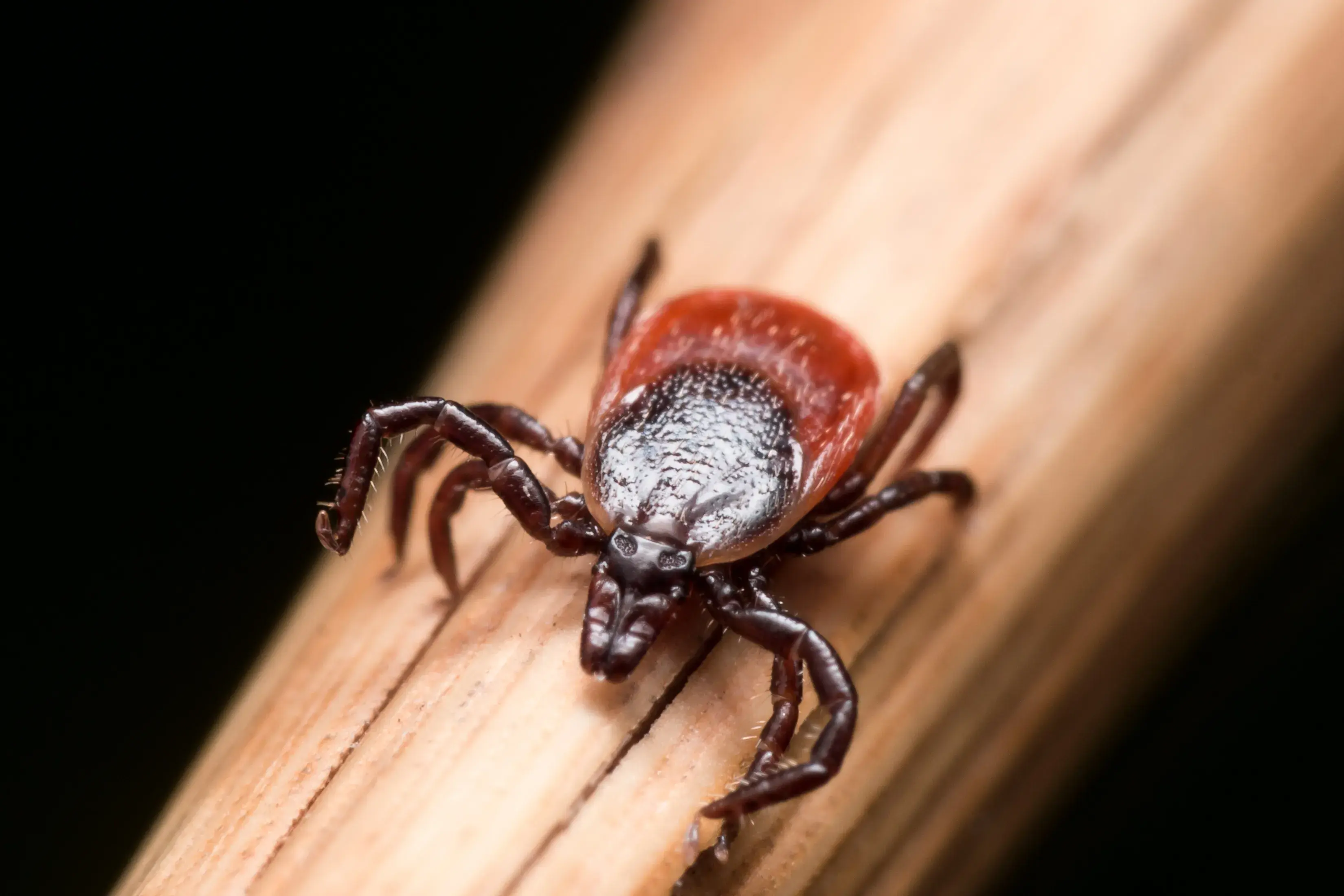
Ticks are easy to overlook because they do not usually gather in obvious swarms. Instead, they wait in shaded vegetation, along fence lines, beneath decks, near pet pathways, and in places where wildlife or rodents pass through. Idaho’s warm season, irrigated lawns, and active outdoor routines can create favorable conditions around residential properties.
Effective tick control begins with understanding where exposure is most likely. Professionals evaluate vegetation, moisture, pet-use areas, wildlife movement, and transition zones between lawns and structures. This property-wide approach keeps service focused.
Identify The Yard Zones Ticks Prefer
Ticks avoid hot, open areas when more protected locations are available. They are more likely to remain where humidity lasts, vegetation provides cover, and passing hosts create feeding opportunities. A lawn may look well maintained while still containing narrow high-risk edges.
Areas that deserve closer attention include:
- Shaded grass beneath shrubs, trees, decks, and outdoor furniture
- Fence lines, groundcover, leaf litter, and landscape borders
- Pet-resting areas, kennel edges, and commonly used yard paths
- Woodpiles, storage zones, and sheltered spaces near outbuildings
- Property edges where rodents, birds, or other wildlife regularly move
A professional inspection helps distinguish general habitat from confirmed tick pressure. That distinction keeps treatment focused.
Connect Pet Exposure With Indoor Resting Areas
Dogs and cats can carry ticks indoors after time in grass, brush, parks, trails, or neighboring properties. Once a tick enters, it may be noticed on the pet, furniture, bedding, or flooring.
Guidance on indoor pet risks explains how pet routines can link yards, resting areas, and soft surfaces. Although fleas and ticks behave differently, both can enter on animals and become harder to trace when attention remains limited to one room.
Veterinarian-recommended prevention remains important for the animal, while professional tick control addresses property conditions. Technicians may inspect pet pathways, shaded turf, fence edges, porches, baseboards, bedding zones, and other locations supported by actual findings.
Reduce Moisture And Dense Ground-Level Cover
Ticks depend on protected environments that help them avoid drying out. Irrigation overspray, slow drainage, dense shrubs, tall grass, and accumulated organic debris can create humid pockets near the ground. Reducing these conditions makes the property less supportive while improving inspection access.
A practical property plan may include:
- Trimming vegetation to improve airflow around shaded edges
- Removing leaf buildup and unnecessary ground-level debris
- Correcting irrigation that repeatedly saturates protected lawn zones
- Keeping frequently used pet and play areas open and accessible
- Separating stored materials from fences, foundations, and damp soil
These changes should support, not replace, accurate identification and treatment. Ticks may remain concentrated along wildlife routes or boundary areas even when the main lawn is dry and open.
Match Treatment To Idaho’s Seasonal Patterns
Tick pressure can rise quickly during Idaho summers as warmth, irrigation, pet activity, and wildlife movement overlap. Conditions may also shift between spring growth, dry summer periods, and cooler weather, changing which parts of the property remain suitable.
The discussion of summer tick pressure shows why timing matters. Shaded lawn edges, vegetation, and pet-use zones may support recurring exposure even when the broader landscape appears dry.
A professional plan may involve:
- Inspecting indoor and outdoor resting zones before treatment
- Targeting shaded edges, fence lines, vegetation, and active pathways
- Adjusting placement around pets, landscape layout, and yard use
- Treating selected indoor areas when confirmed activity has moved inside
- Scheduling follow-up as weather and pressure change
This evidence-based approach is more efficient than applying the same response across every surface. It also allows technicians to account for fleas when both pests are suspected, without assuming identical methods will address each life cycle.
Build Long-Term Protection Through Monitoring
Tick activity is rarely static. Vegetation grows, irrigation schedules change, pets use different routes, and wildlife movement can introduce new pressure. A one-time treatment may reduce current activity, but long-term results depend on checking whether the same conditions return.
Follow-up allows technicians to compare current findings with earlier visits. They can determine whether ticks remain concentrated near one boundary, whether indoor evidence has declined, and whether new pet-use zones require attention. Treatment can then remain focused on confirmed areas rather than repeated automatically.
A complete strategy may also consider related services for fleas, mosquitoes, rodents, birds, crawl spaces, and other conditions that affect pest movement. Rodent or wildlife activity may increase the number of hosts crossing a yard, while crawl-space moisture can create protected conditions near the structure.
Property owners should maintain veterinarian-directed pet protection, inspect animals after outdoor activity, and follow preparation and reentry instructions. Professional tick control adds the property-level assessment needed to connect those routines with landscape conditions, treatment placement, and seasonal monitoring.
Reducing tick activity is most effective when pet care, yard conditions, source awareness, and follow-up work together. That coordinated approach helps protect outdoor spaces without relying on broad, one-size-fits-all methods.
Create A Safer Path Through The Yard
Contact Alpha Home Pest Control for professional inspection, targeted tick control, pet-aware treatment planning, and seasonal follow-up tailored to your Idaho property.