 558 Reviews
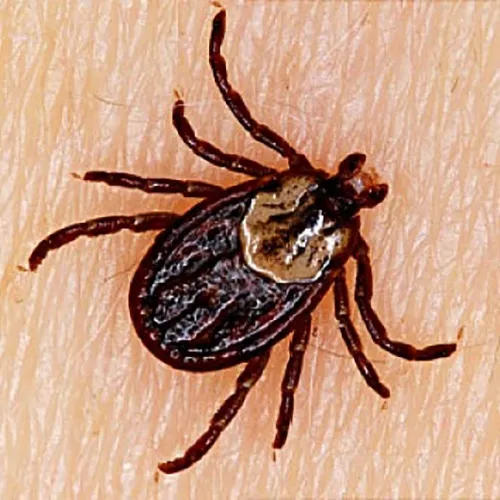
Flea And Tick Problems can rise quickly during Idaho summers because warm weather changes how people, pets, and pests use the same outdoor spaces. Longer days bring more patio time, more pet movement through grass, and more contact with shaded areas where biting pests can wait. What begins as an occasional bite can become a household concern when fleas or ticks move from the yard to bedding, furniture, carpets, crawl spaces, or pet-resting areas.
Summer pressure is not limited to one visible spot. Fleas can develop through several life stages in protected areas, while ticks can stay hidden in tall grass, brush, and shaded edges. The most effective response begins with inspection, identification, and a property-specific plan.
Warm Weather Speeds Up Pest Activity
Summer creates faster movement and stronger survival conditions. Fleas and ticks respond to heat, humidity, host movement, and protected resting zones. When pets spend more time outdoors, they can unknowingly bring biting pests inside. Once the activity reaches indoor areas, the issue can feel difficult to track.
- Heat can shorten flea development time when protected conditions are present.
- Shade allows ticks to remain active in grass, landscape edges, and brushy areas.
- Pets may carry fleas or ticks from lawns, parks, trails, kennels, or neighboring yards.
- Crawl spaces and damp areas can support hidden pest pressure when access remains open.
- Indoor fabrics may hold flea eggs or larvae after pests are carried inside.
This is why summer flea and tick control should not focus only on the pet. The surrounding environment matters. A pet may receive veterinary care, but the home and yard can still need professional review if activity continues.
Yards And Crawl Spaces Can Hide The Source
Many homeowners first notice fleas or ticks after bites appear indoors, but the source often begins outside or underneath the home. Idaho properties with shaded lawns, crawl-space access, stored materials, pet bedding, damp soil, and thick vegetation can give pests the protection they need.
- Tall grass and dense plants can create cooler areas where ticks wait for passing hosts.
- Pet-resting spots can collect hair, warmth, and organic material that support flea activity.
- Gaps near foundations may allow pests or host animals to move near crawl spaces.
- Stored items under decks or near sheds can create protected harborage.
- Moisture-prone areas may also attract mosquitoes, cockroaches, clover mites, and rodents.
A professional inspection looks beyond the most obvious room or yard corner. It checks the connection between outdoor pressure, pet movement, crawl-space conditions, and indoor activity. For households with animals, pet-friendly control should be planned carefully so treatment areas, timing, and follow-up guidance fit the home’s routine.
This wider view matters because one untreated area can keep the problem active. A shaded side yard, crawl-space edge, or favorite pet lounge spot may continue feeding the cycle.
Summer Pest Pressure Often Overlaps
Fleas and ticks are not the only pests that become more noticeable during Idaho’s warmer months. Bed bugs, cockroaches, mosquitoes, clover mites, rats, billbugs, birds, gophers, voles, and crawl-space concerns can also become more visible when weather, moisture, food, and shelter align. Each pest behaves differently, but many use the same weak points around a property.
- Openings near doors, vents, and crawl spaces can support repeated pest movement.
- Standing water can increase mosquito activity near outdoor living areas.
- Damp or cluttered spaces may invite cockroaches or rodents.
- Turf and landscape stress can reveal billbug, gopher, or vole concerns.
- Roofline and exterior gaps can encourage nuisance bird activity around structures.
Understanding these patterns helps homeowners see why a single-pest reaction may not be enough. A property may show flea or tick activity while also having moisture, access, or shelter conditions that support other pests. Broader seasonal planning helps identify those shared risk factors.
Local timing also matters. Temperature shifts, irrigation, lawn growth, and outdoor storage can all change pest pressure throughout summer. A guide to seasonal pest issues can help explain why certain problems rise as conditions change across Kuna.
Long-Term Protection Requires Consistent Attention
Flea and tick activity can return when treatment focuses only on what is visible. Effective planning considers the whole cycle: pets, yard edges, indoor fabrics, crawl-space access, shaded resting areas, and reintroduction risks. Professional service helps organize those details so the response is more precise.
Long-term protection may include inspection, targeted treatment, moisture review, crawl-space awareness, yard recommendations, and follow-up when activity shifts. It may also include coordination with pet-care routines, especially when animals move between indoor and outdoor spaces.
The goal is not to overreact. The goal is to respond before pests spread through more rooms, fabrics, and outdoor zones. When Flea And Tick Problems spike in summer, professional planning can reduce uncertainty and protect the spaces people and pets use most.
Help Pets And People Enjoy Summer Again
Idaho summers should feel comfortable around the home. For flea and tick treatment, crawl-space awareness, mosquito service, rodent control, and pest protection, contact Alpha Home Pest Control for professional services.