 558 Reviews
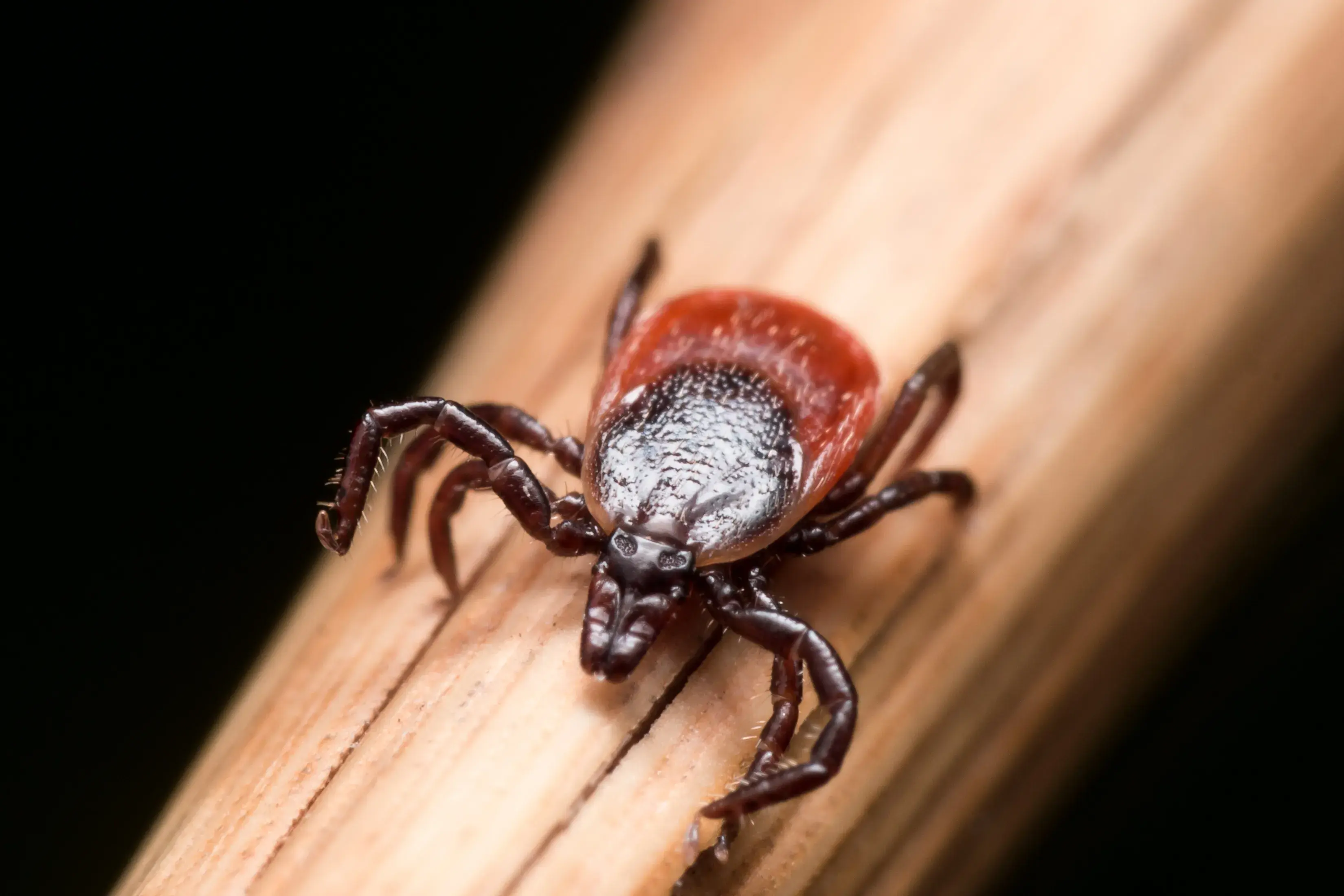
Fleas and ticks are more than seasonal nuisances in Idaho. They are persistent pests that can affect both pets and living environments when conditions allow them to thrive. Homes with pets are especially vulnerable, as these pests often enter through fur, clothing, or outdoor activity. Once inside, they can establish quickly and spread across carpets, furniture, and yard spaces.
Pet-friendly flea and tick control requires a thoughtful balance. The goal is to reduce pest activity without compromising the safety of animals or the people who share the space. This means focusing on prevention, early detection, and structured treatment methods that consider the entire environment rather than isolated areas.
Understanding how these pests behave in Idaho’s climate helps guide effective control. Seasonal changes influence activity levels, which makes timing and consistency essential in keeping populations under control.

Early Signs Of Flea And Tick Activity Indoors
Flea and tick problems rarely begin with obvious infestations. In most cases, early signs appear gradually and are often mistaken for minor irritations or unrelated issues.
Watch for these early indicators:
- Pets scratching more frequently or showing signs of discomfort
- Small dark specks on pet bedding or carpets, often referred to as flea dirt
- Occasional bites on ankles or lower legs, especially after spending time indoors
- Visible ticks attached to pets after outdoor exposure
These signs suggest that pests have already been introduced into the home. Fleas in particular can reproduce quickly, laying eggs that fall into carpets and soft surfaces. What begins as a small issue can develop into a widespread infestation if not addressed promptly.
Early detection allows for more controlled intervention. Ignoring these signs gives pests time to establish breeding cycles, making treatment more complex over time.
Why Idaho Homes Are Prone To Fleas And Ticks
Idaho’s environment creates conditions that support flea and tick activity, particularly during warmer months. However, indoor conditions can allow these pests to remain active even when outdoor temperatures drop.
Several factors contribute to increased risk:
- Seasonal temperature changes that create active breeding periods
- Outdoor spaces with grass, shrubs, and shaded areas where pests thrive
- Pets that move between indoor and outdoor environments
- Wildlife activity that introduces fleas and ticks into residential areas
These patterns are closely tied to regional pest behavior, as outlined in our recent article on Idaho seasonal pests. Understanding when pests are most active helps homeowners anticipate and manage potential problems before they escalate.
Because fleas and ticks rely on hosts for survival, homes with pets naturally become focal points. Once inside, stable indoor temperatures allow them to continue reproducing regardless of outdoor conditions.
Pet-Friendly Approaches To Flea And Tick Control
Effective flea and tick control in pet-friendly homes focuses on reducing pest populations while maintaining a safe environment. This requires a combination of strategies that address both the pets and the surrounding space.
Key approaches include:
- Treating pet resting areas to reduce exposure and prevent reinfestation
- Maintaining consistent cleaning routines to remove eggs and larvae
- Managing outdoor spaces to limit habitats where pests develop
- Monitoring pet activity to identify potential exposure points
These methods work best when applied consistently rather than as one-time actions. Fleas and ticks have life cycles that include multiple stages, which means that visible pests are only part of the problem.
Addressing each stage requires careful planning and attention to detail. This is why structured approaches tend to be more effective than isolated treatments that only target adult pests.
Outdoor Areas And Yard Management
The yard plays a significant role in flea and tick activity. Outdoor environments often serve as the starting point for infestations that later move indoors.
Important considerations for yard management include:
- Keeping grass trimmed to reduce shaded, humid areas where pests thrive
- Removing debris, such as leaves and organic material, that provides shelter
- Limiting wildlife access can introduce new pests
- Identifying areas of high pet activity where exposure is more likely
Outdoor maintenance supports indoor control efforts. When yard conditions are left unmanaged, pests can continue to re-enter the home even after indoor treatments are applied.
Seasonal awareness is particularly important. As discussed in our resource about yard pest protection, different times of year require adjustments in how outdoor spaces are maintained.
A well-managed yard reduces the likelihood of recurring infestations and supports a more stable indoor environment.
Why Comprehensive Control Matters for Long-Term Results
Flea and tick infestations are rarely resolved through a single method. These pests move between pets, indoor spaces, and outdoor environments, which means that effective control must address all three areas.
Focusing on only one aspect often leads to recurring problems. For example, treating pets without addressing the home environment allows eggs and larvae to remain. Similarly, managing indoor spaces without considering outdoor exposure can result in reinfestation.
A comprehensive approach ensures that each stage of the pest lifecycle is considered. This includes identifying where pests are entering, how they are reproducing, and what conditions allow them to persist.
Professional evaluation becomes valuable in this context. It provides a clearer understanding of the extent of the issue and helps guide treatment strategies that are both effective and safe for pets.
Subtle signs, such as recurring bites or continued pet discomfort, often indicate that the problem extends beyond what is immediately visible. Addressing these signs early helps prevent more widespread infestations and supports long-term control.
When protection means peace of mind
If flea and tick activity continues to affect your home or pets, a more thorough approach may be needed. Reach out to Alpha Home Pest Control to ensure flea and tick control is handled with care, precision, and long-term effectiveness.