 558 Reviews
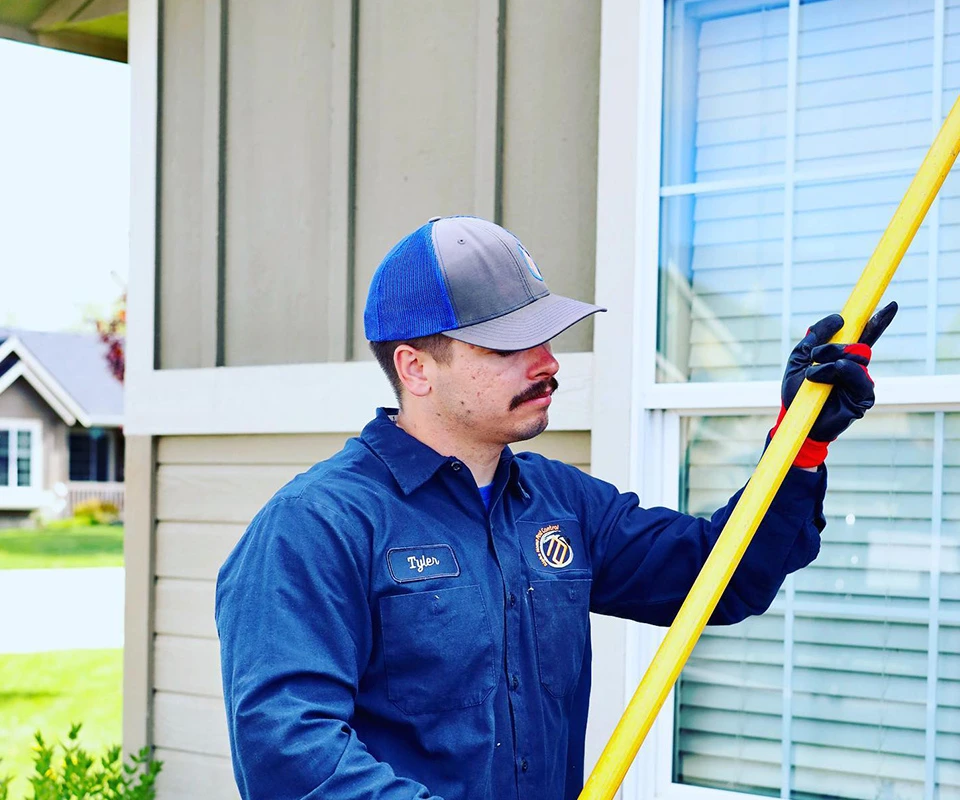
Fall preparation is about more than cleaning gutters or checking heating systems. As temperatures begin to change across Idaho, pests can shift toward protected spaces that offer food, moisture, warmth, and shelter. Rodents may test garages and crawl spaces, cockroaches can remain active around plumbing, and mosquitoes, fleas, ticks, birds, bed bugs, clover mites, billbugs, gophers, and voles can continue creating problems depending on property conditions.
Our team uses fall as an important checkpoint for the entire property. Professional pest control helps us identify where activity is starting, what resources are supporting it, and which entry points or hidden areas need attention before seasonal pressure builds. The goal is not to treat every property the same way, but to create a plan around the pests and conditions actually present.
Fall Inspection Finds Problems Before They Spread
A professional inspection gives us a clearer picture of what summer left behind. Heat, irrigation, storms, landscaping, roof debris, stored items, and crawl-space moisture can all create conditions that continue attracting pests into fall. Some signs may be easy to miss until activity spreads into several areas.
Gutters are one example. Our guide to gutter pest prevention explains how standing water, damp debris, roofline shelter, and overflow near foundations can support pest activity. Clean drainage also makes damaged fascia, soffits, vents, or roof gaps easier to see during inspection.
Our technicians may look for:
- Droppings, gnawing, or nesting material around garages and crawl spaces
- Cockroach activity near plumbing, kitchens, bathrooms, or utility areas
- Standing water and damp zones that may support mosquitoes or other pests
- Flea or tick pressure around pet areas and shaded outdoor spaces
- Bird or rodent activity near gutters, rooflines, vents, or structural openings
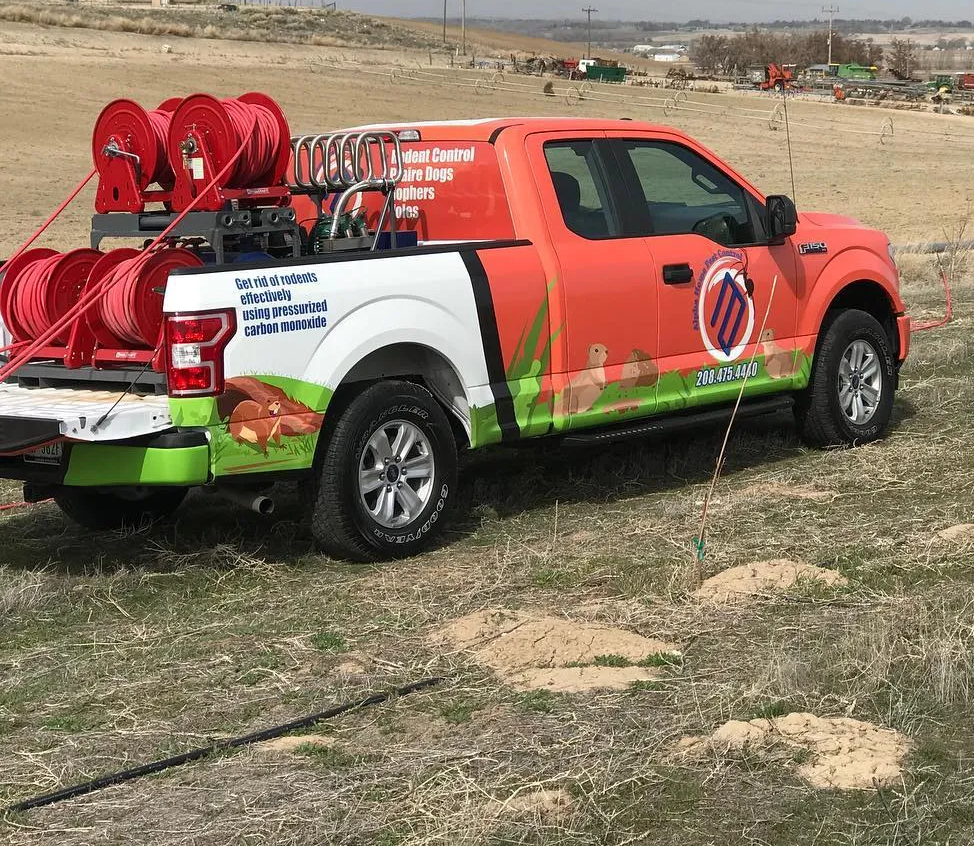
- Lawn damage associated with billbugs, gophers, or voles
Finding these conditions early gives us better information for treatment and prevention before the problem becomes more established.
Targeted Treatment Addresses the Source, Not Just Sightings
A visible pest is often only part of the problem. Cockroaches can remain hidden in cracks and appliance gaps. Rodents may travel through walls or attics. Bed bugs can stay concealed in seams, furniture joints, and other low-disturbance areas. Fleas and ticks may persist in pet-resting zones or outdoor areas even when indoor sightings are limited.
Professional pest control helps connect those signs with the source. Our team can evaluate food, water, shelter, structural access, and the pest’s behavior before deciding where treatment is needed. This reduces guesswork and helps avoid relying on one-time reactions that may temporarily reduce activity without solving the underlying issue.
A fall treatment plan may include:
- Applying targeted interior treatment where inspection confirms activity
- Treating cracks and crevices in high-risk kitchen or bathroom areas
- Reinforcing exterior protection around doors, windows, and other entry points
- Checking for ant activity and rodent evidence around the property
- Removing accessible nests or webs during exterior service
- Adjusting the plan according to pest type, activity level, and property layout
The treatment method should always follow the inspection. Different pests require different responses, and accurate identification helps us focus on the areas most likely to influence long-term results.
Early Action Helps Keep Small Problems From Becoming Larger
Fall is a useful time to respond to activity that still seems minor. A single cockroach, occasional scratching sound, patch of lawn damage, or repeated insect sighting may not look urgent, but recurring evidence often means the source is still active. Our article on growing pest problems explains why increased sightings, spreading activity, hidden signs, and new damage can indicate that an infestation is becoming more established.
Our team also pays attention to less-visible areas such as crawl spaces, attics, garages, utility zones, and storage areas. These spaces can hold moisture, damaged insulation, nesting material, droppings, or access gaps without obvious signs appearing in the main living areas.
Fall preparation may include:
- Comparing new pest activity with areas that were active during summer
- Checking crawl spaces and hidden zones for moisture or structural changes
- Monitoring repeated sightings instead of assuming they are isolated
- Reviewing rooflines, doors, vents, and utility openings for access
- Addressing landscape or drainage conditions that keep pest pressure close
- Scheduling follow-up when evidence continues after the first service
This long-term approach matters because property conditions change. Weatherstripping wears down, gutters clog, irrigation patterns shift, landscaping grows, and moisture can develop in new places. Regular professional monitoring helps our technicians adjust the plan as those conditions change.
Preparing for fall with professional pest control is ultimately about reducing uncertainty. Inspection shows what is active, targeted treatment addresses confirmed problem areas, and prevention helps limit the conditions that encourage pests to return. That combination is more efficient than waiting until an infestation becomes widespread or hidden damage is harder to address.
Prepare Your Home Before Fall Pest Pressure Builds
For professional inspection, targeted treatment, crawl-space support, rodent control, bed bug service, mosquito control, lawn pest care, and other supported pest concerns, contact Alpha Home Pest Control to build a fall plan around your property’s current conditions.