 558 Reviews
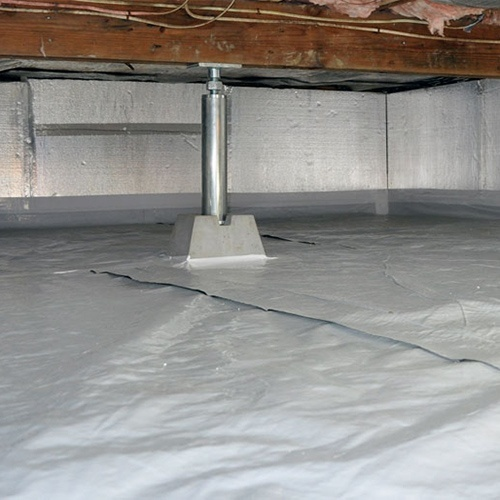
A crawl space sits out of sight, but its condition can influence comfort, pest pressure, and the long-term stability of the home above it. When moisture lingers below the floor, insulation can sag, odors can move upward, and hidden spaces can become more attractive to rodents, cockroaches, ants, and other pests found around Idaho homes.
Crawl space restoration is designed to correct those underlying conditions instead of masking the symptoms. Professional service can involve inspection, cleanup, moisture reduction, airflow improvements, insulation attention, and entry-point correction. The goal is to create a cleaner, drier area beneath the home so problems are less likely to spread upward.
Moisture Control Helps Protect The Space Below Your Home
Moisture is one of the biggest reasons a crawl space begins to deteriorate. Irrigation, poor drainage, plumbing leaks, seasonal soil moisture, and water spilling near the foundation can all raise humidity below the structure. Over time, damp conditions can affect insulation, wood, odors, and pest activity.
Professionals may look for:
- Damp or sagging insulation beneath floors
- Standing water or persistently wet soil
- Plumbing leaks or condensation near pipes
- Foundation areas where drainage directs water toward the home
- Staining, musty odors, or moisture around vents
- Gaps that allow pests to enter damp sheltered areas
Exterior drainage matters because roof water can affect the area below the home. The connection between gutter drainage problems and crawl-space moisture shows why rooflines, downspouts, grading, and foundation conditions should be considered together.
Professional restoration helps identify where moisture is coming from before materials are repaired or replaced. That prevents new insulation or cleanup work from being undermined by the same unresolved source.
Cleaner Crawl Spaces Reduce Conditions That Support Pests
A damp, cluttered, or damaged crawl space can provide shelter and water for pests while keeping activity hidden from the living areas above. Rodents may use insulation for nesting, cockroaches can benefit from moisture, and other insects may take advantage of debris, gaps, or protected foundation areas.
Restoration may address:
- Rodent droppings, nesting material, or damaged insulation
- Cockroach activity around damp or concealed areas
- Openings around vents, pipes, and foundation seams
- Debris that creates protected shelter below the floor
- Moisture conditions that help pests remain established
- Damaged screens or access points that allow repeat entry
A small sign can become more important when it appears alongside other evidence. Guidance on growing pest problems explains why repeated sightings, spreading activity, droppings, and hidden-space evidence should not be treated as isolated events.
Professional inspection helps distinguish current pest pressure from older damage. That allows restoration work to focus on the areas that actually need cleanup, exclusion, moisture correction, or monitoring.
Restoration Supports A More Stable Indoor Environment
The condition of a crawl space can affect more than the area beneath the house. Damp air, odors, and insulation problems may influence how the home feels above, especially when air moves through plumbing openings, floor penetrations, vents, or other pathways.
A professional restoration plan may include:
- Removing contaminated or damaged materials when appropriate
- Improving airflow where ventilation problems are contributing to dampness
- Correcting moisture drivers before new materials are installed
- Securing vents, screens, and other potential pest entry points
- Reviewing insulation condition and areas of structural wood contact
- Monitoring the space after restoration for recurring moisture or pest signs
These steps help bring the crawl space back to a healthier baseline. A cleaner, drier area is less likely to produce musty odors or shelter rodents and insects.
Restoration can also make future inspections more useful. When debris, damaged insulation, and old pest evidence remain scattered through the space, it can be difficult to tell whether a new problem has developed. Once the area is cleaned and stabilized, fresh droppings, moisture, or structural changes become easier to recognize.
Homeowners should also consider the connection between crawl-space conditions and the exterior property. Gutters, drainage, landscaping, irrigation, foundation grading, and plumbing can all influence what happens below the home. Treating the crawl space without reviewing those surrounding factors can leave the original moisture source unresolved.
Professional oversight is valuable because crawl spaces can be confined, dirty, and difficult to evaluate safely. Technicians can inspect vents, insulation, plumbing penetrations, foundation seams, moisture patterns, and pest evidence, then determine which problems need immediate attention and which can be monitored.
The strongest long-term approach combines restoration with prevention. Moisture should be controlled, access points should be tightened, pest evidence should be addressed, and the space should remain open enough for future inspection. That creates a clearer path to maintaining the area rather than waiting for odors, pests, or insulation damage to become noticeable upstairs.
A crawl space may be easy to ignore because it is rarely seen, but neglect can allow several small conditions to overlap. Restoration improves home health by reducing those hidden pressures and creating a more stable environment beneath the living space.
Give The Space Below Your Home The Attention It Needs
If your crawl space is damp, musty, pest-prone, or showing signs of insulation or access problems, contact Alpha Home Pest Control for professional inspection, crawl space restoration, moisture-focused cleanup, and long-term prevention.