 558 Reviews
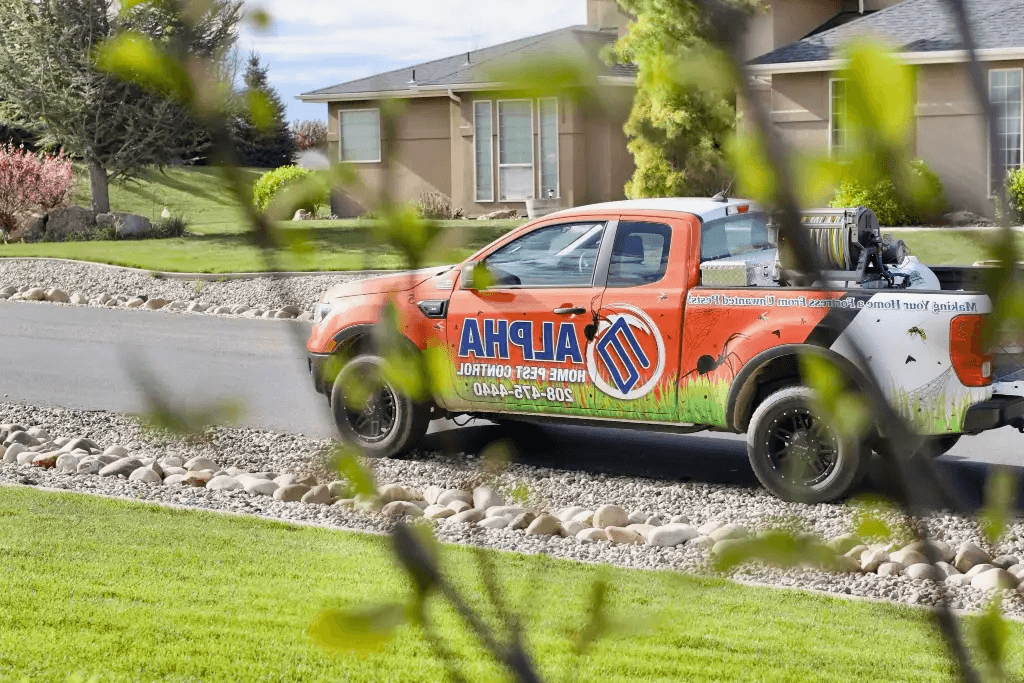
Pest activity can change from manageable to urgent with little warning. A few cockroaches may turn into repeated nighttime sightings, rats can begin moving through walls or crawl spaces, and bed bugs can spread beyond one sleeping area. In Boise homes, sudden pest pressure may also involve fleas, ticks, mosquitoes, birds, clover mites, billbugs, gophers, or voles.
Emergency pest control is designed for situations where waiting could allow activity to spread, increase damage, or make the home harder to use comfortably. Fast professional assessment helps identify what is happening, where the problem is concentrated, and which response should come first.

Some Pest Problems Need Faster Attention
Not every sighting is an emergency, but certain patterns deserve prompt evaluation. Rapid changes in activity often indicate that the source is still active or that pests have reached a new part of the property.
Warning signs may include:
- Repeated sightings across several rooms or at different times of day.
- Fresh droppings, gnaw marks, nesting material, or scratching sounds.
- Sudden bites or bed bug evidence appearing beyond one sleeping area.
- Cockroach activity spreading from kitchens into bathrooms or utility spaces.
- Rodent movement near crawl spaces, garages, food storage, or wall voids.
An emergency service begins with triage rather than guesswork. The technician evaluates severity, active zones, entry routes, and immediate concerns before deciding how to stabilize the situation with minimal disruption.
Escalating Activity Often Reveals a Hidden Source
A pest issue can look small when only the visible signs are considered. Cockroaches may remain inside cracks and appliance spaces. Rats can travel through wall cavities or crawl spaces. Bed bugs may hide in seams, furniture joints, and narrow gaps that are difficult to see.
This guide to growing pest problems explains why repeated sightings, spreading activity, and new damage often mean the source has not been resolved. A professional inspection can connect those clues with moisture, shelter, food, damaged insulation, or structural access.
Emergency service is especially valuable when homeowners are unsure whether the activity is localized or moving into new rooms. Correct identification helps determine whether targeted treatment, exclusion, restoration, monitoring, or follow-up should be part of the response.
Rapid Containment Can Limit Further Spread
The first goal during an urgent pest situation is often to reduce immediate pressure and keep the problem from expanding. That may involve focused interior treatment, inspection of movement corridors, and attention to the exterior conditions driving pests toward the home.
A professional emergency plan may include:
- Inspecting active rooms, entry points, crawl spaces, garages, or utility areas.
- Focusing treatment on confirmed hotspots instead of unnecessary broad applications.
- Evaluating exterior gaps, moisture, vegetation, or storage that supports activity.
- Documenting signs that indicate the pest has moved into additional areas.
- Providing follow-up steps based on the pest and property conditions.
This approach helps restore control without treating every urgent call the same way. Bed bugs, cockroaches, rats, mosquitoes, fleas, ticks, billbugs, birds, clover mites, gophers, and voles require different methods, so the response should match the evidence found.
Boise Summer Conditions Can Trigger Sudden Activity
Warm weather can quickly change pest behavior around Idaho homes. Irrigation, shaded soil, outdoor gatherings, pet routines, and sudden moisture shifts may create new food, water, and shelter opportunities. Some pests become more active outside, while others move toward cooler interior spaces.
A closer look at summer pest activity shows how cockroaches, mosquitoes, fleas, ticks, rats, clover mites, billbugs, birds, gophers, and voles can respond to heat and moisture in different ways.
Homeowners may notice urgent activity after a hot spell, heavy watering, a storm, or increased time outdoors. Professional evaluation can determine whether the weather simply caused temporary movement or exposed an established problem that needs immediate control.
Emergency Service Should Lead Into Long-Term Prevention
Fast response is important, but emergency pest control should not stop when the first visible activity declines. The conditions that allowed the problem to develop may still be present around the property.
Long-term protection may involve:
- Sealing entry points around doors, vents, utility lines, and crawl-space openings.
- Correcting moisture problems around gutters, foundations, and shaded areas.
- Monitoring rooms or exterior zones where activity was previously concentrated.
- Restoring crawl-space conditions when pests, moisture, or damaged materials are involved.
- Scheduling follow-up service when continued pressure is likely.
A professional plan connects immediate stabilization with prevention. That means looking at why pests entered, what allowed them to stay, and whether another part of the home is vulnerable.
For Boise homeowners, this can reduce the chance that an urgent problem becomes a recurring one. Emergency service provides a faster path to identification and containment, while follow-up work helps address the conditions behind the infestation. The result is a more complete response than relying on a one-time reaction after activity has already spread.
Restore Calm Before The Problem Spreads
Sudden pest activity deserves a clear, professional response. Contact Alpha Home Pest Control for emergency pest control focused on fast assessment, targeted stabilization, and long-term prevention.