 558 Reviews
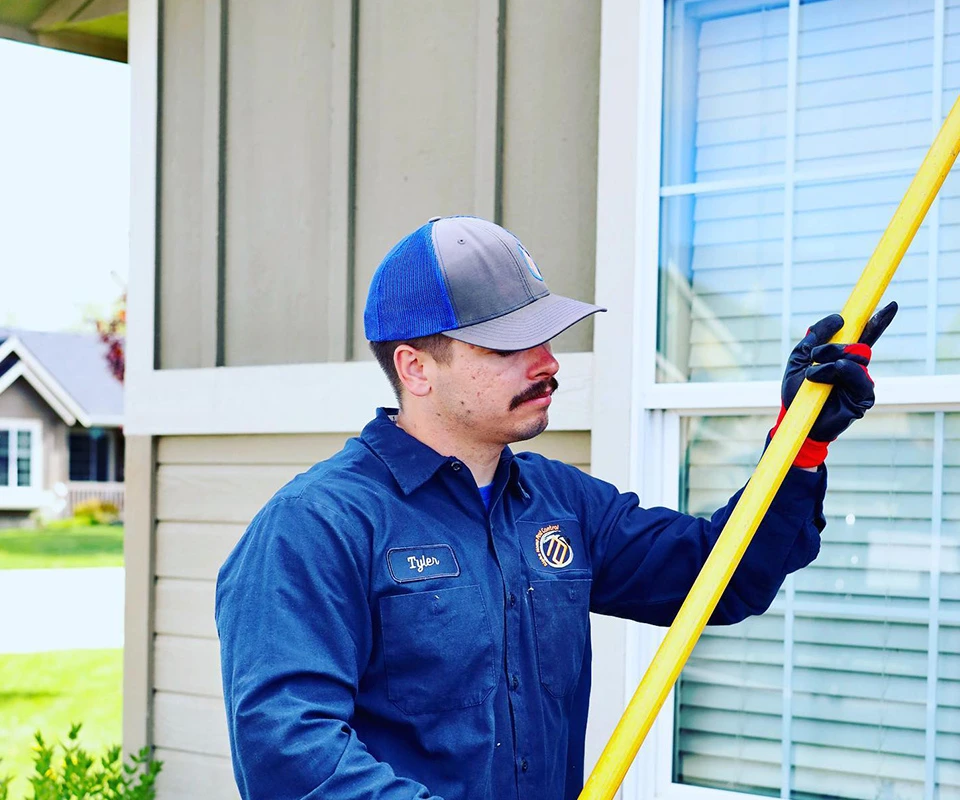
A single pest sighting does not always mean a serious infestation, but repeated activity should never be dismissed too quickly. Pests often begin quietly, using moisture, food, shelter, landscape conditions, or small entry points before the problem becomes obvious. What starts with a few insects near a window, a scratching sound in a wall, or a small patch of lawn damage can grow when the source remains active.
A pest problem becomes more concerning when sightings increase, activity spreads to new areas, or signs appear in hidden spaces. In Idaho homes, that may involve bed bugs, billbugs, birds, cockroaches, fleas, ticks, gophers, voles, mosquitoes, clover mites, rodents, rats, or crawl-space conditions.
Repeat Sightings Often Mean The Source Is Still Active
Seeing one insect once may not reveal much, but seeing the same pest several times in the same room or across different areas suggests that food, water, shelter, or an entry route is still available.
Warning signs may include:
- Pests are appearing more frequently or at different times of day
- Activity spreading from one room, wall, or outdoor area to another
- Droppings, stains, shed skins, eggs, webbing, or nesting material are increasing
- Scratching, chewing, or movement sounds are becoming more noticeable
- New damage is appearing after the visible pests were already removed
A closer look at summer pest activity shows how heat, irrigation, shaded soil, and damp areas can move pests closer to structures.
Repeated activity matters because the pest seen in the open may represent only part of the population. Cockroaches may remain hidden in cracks. Bed bugs can stay in seams and furniture joints. Rodents may travel through walls, attics, or crawl spaces. An inspection helps determine whether the issue is active, localized, or spreading.
Hidden Areas Can Hold A Bigger Problem Than Expected
Some of the most serious pest issues develop where homeowners rarely look. Crawl spaces, wall voids, attics, garages, areas under appliances, and utility spaces can shelter pests while keeping evidence out of sight. Moisture, damaged insulation, droppings, nesting material, or access gaps may allow activity to continue unnoticed.
Hidden warning signs may include:
- Musty odors, unexplained moisture, or staining near floors and walls
- Droppings, gnaw marks, damaged insulation, or nesting material
- Soft spots, gaps, or disturbed materials around crawl-space access points
- Pest activity near plumbing, vents, garages, storage rooms, or utility lines
- Repeated indoor sightings even after surfaces are cleaned
A resource on crawl-space risks explains why dark, damp, and low-traffic spaces can support pests without obvious signs upstairs.
Professional inspection gives homeowners a clearer view of hidden moisture, damaged insulation, entry points, droppings, or pest movement that would otherwise be easy to miss.
Damage And Spread Show The Problem Is Escalating
A pest issue becomes more serious when it starts affecting materials, comfort, hygiene, or multiple parts of the property. Damage may begin as chewing, staining, lawn thinning, odor, bites, contamination, or repeated nesting.
Signs of escalation may include:
- Rodent chewing on stored items, insulation, or building materials
- Billbug damage is spreading across the turf instead of remaining in one patch
- Flea or tick activity affecting pets, bedding, rugs, or outdoor resting areas
- Cockroach signs appearing in more than one room or moisture zone
- Bed bug evidence moving beyond one sleeping or resting area
Gophers and voles may create wider yard damage when burrows or feeding continue. Mosquito pressure may increase when breeding pockets remain active after rain or irrigation.
At this stage, professional service becomes especially valuable because the issue needs more than a surface reaction. A technician can identify the pest, locate the source, evaluate the spread, and decide whether treatment, exclusion, restoration, monitoring, or follow-up is needed.
A growing pest problem is easier to manage when the response is based on evidence. Professional inspections look at the whole property, not only the place where the pest was last seen. The process may include checking entry points, moisture, food sources, harborage, lawn conditions, crawl spaces, attics, garages, and exterior pressure.
The right plan depends on the pest and the property. Bed bugs may need heat or targeted interior work. Cockroaches may require moisture review and focused treatment. Rodents may call for entry-point attention. Fleas and ticks may be found in pet areas and outdoor conditions. Billbugs, gophers, voles, mosquitoes, clover mites, birds, and crawl-space concerns each require a different approach.
Waiting until activity becomes widespread can mean more disruption, more treatment, and more damage. Early professional attention helps clarify what is active now and what can be done before the problem grows.
Act Before A Small Problem Becomes A Larger One
A pest problem is easier to manage when repeated sightings, hidden signs, and early damage are taken seriously. For professional inspection, targeted treatment, crawl-space support, rodent control, bed bug service, cockroach treatment, flea and tick treatment, mosquito control, lawn pest care, bird treatment, and other supported pest concerns, contact Alpha Home Pest Control.