 558 Reviews
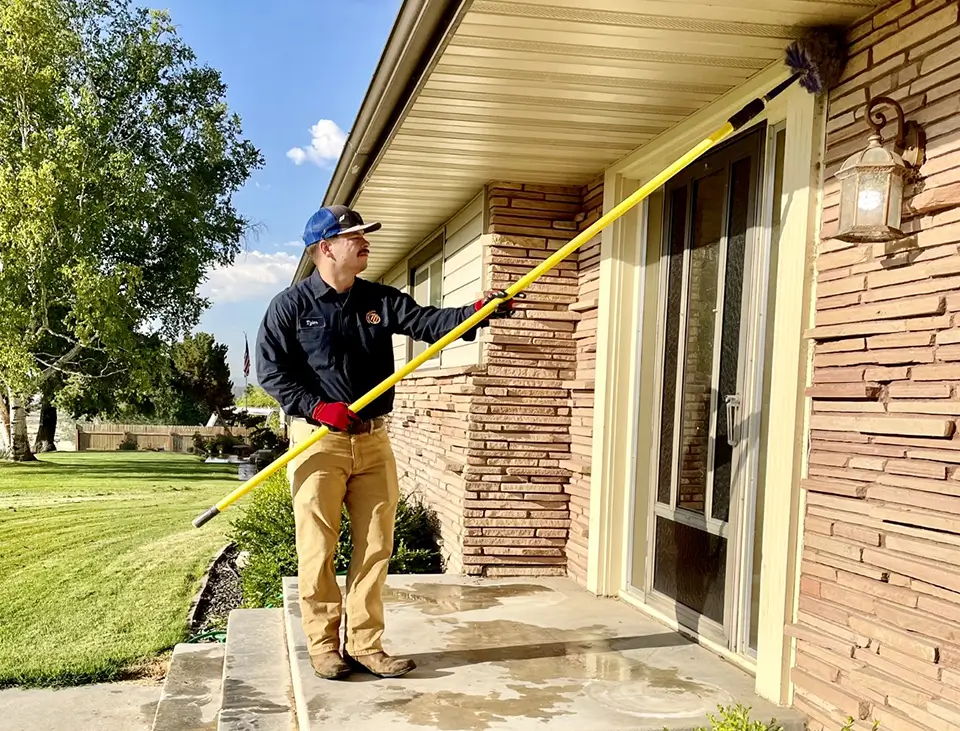
Pest control is no longer a one-size-fits-all process. Modern property owners expect solutions that not only remove infestations but also respect health, safety, and environmental concerns. That expectation has pushed the industry to evolve into two primary approaches: chemical treatments and eco-conscious alternatives.
The difference between these methods goes beyond ingredients. It touches how infestations are handled, how long results last, and how risks are managed. Understanding these distinctions helps clarify why professional pest management is built on strategy rather than quick fixes.

What Chemical Pest Control Methods Actually Do
Chemical pest control has long been the foundation of pest management. These treatments are designed to act quickly, targeting pests such as ants, spiders, cockroaches, wasps, rodents, and other invasive species that threaten indoor and outdoor environments.
Professionals rely on carefully selected formulations that are applied with precision, not excess. The goal is control, not overuse.
- Targeted application zones. Treatments focus on entry points, nesting areas, and active pathways rather than broad, unnecessary coverage.
- Fast knockdown effect. Many chemical solutions are formulated to eliminate active infestations quickly, reducing immediate pest pressure.
- Residual protection. Certain treatments remain effective over time, helping prevent reinfestation in treated areas.
- Controlled exposure. Application methods are designed to limit contact with non-target surfaces and living spaces.
Chemical solutions are often necessary when infestations reach a level where immediate intervention is critical. However, their effectiveness depends heavily on correct usage, timing, and placement.
How Eco-Friendly Pest Control Approaches Work
Eco-friendly pest control focuses on reducing environmental impact while still addressing infestations effectively. Instead of relying heavily on synthetic chemicals, this approach prioritizes prevention, habitat disruption, and low-toxicity treatments.
This method is especially relevant for households looking for eco-friendly pest control solutions without compromising results.
- Integrated strategies. Techniques combine inspection, monitoring, exclusion, and targeted treatment rather than relying on a single method.
- Low-impact materials. Products are selected for reduced toxicity while still being effective against pests like ants, spiders, and roaches.
- Habitat modification. Addressing moisture, food sources, and shelter helps make environments less attractive to pests.
- Ongoing monitoring. Regular follow-ups ensure that pest activity stays under control without escalating into larger infestations.
Eco-friendly pest control does not mean weaker results. It means a more calculated approach that reduces reliance on high-intensity treatments while maintaining long-term control.
Key Differences Between Chemical And Eco-Friendly Methods
The distinction between these two approaches becomes clearer when comparing how they function in real-world situations. Both have value, but they serve different purposes depending on the severity and type of infestation.
- Speed of results. Chemical treatments typically act faster, while eco-conscious strategies may take more time to fully stabilize an environment.
- Treatment intensity. Chemical methods are more aggressive, whereas eco-friendly pest control focuses on balance and prevention.
- Environmental impact. Eco approaches aim to minimize residue and exposure, especially in sensitive areas.
- Long-term strategy. Eco-friendly pest control often emphasizes maintenance and prevention, while chemical treatments are frequently used for immediate control.
In practice, professionals rarely rely on just one method. The most effective pest management plans often combine both, adjusting the approach based on the situation.
Choosing The Right Approach For Different Pest Situations
Different pests require different strategies. A minor ant trail is not handled the same way as a widespread cockroach infestation or a rodent problem behind walls. The decision between chemical and eco-conscious methods depends on several factors.
For example, routine pest concerns such as spiders or occasional ants may respond well to preventative strategies. More aggressive infestations, including roaches or rodents, often require a stronger and more immediate response.
Timing also matters. Urgent infestations demand decisive action to prevent rapid escalation. For a closer look at how professionals handle time-sensitive cases, see our resource on pest emergency response.
The key is not choosing one method blindly, but understanding when each approach is appropriate. This level of decision-making requires experience, inspection accuracy, and a clear understanding of pest behavior.
Why Professional Guidance Matters More Than The Method Itself
The conversation around chemical versus eco-friendly pest control often overlooks the most important factor: execution. Even the best products or methods can fail when applied without proper planning.
Professional pest control focuses on identifying the root of the problem, not just the visible symptoms. That includes understanding how pests enter, where they hide, and what conditions allow them to thrive.
Without that level of insight, treatments may only provide temporary relief. Infestations return, often stronger, because the underlying cause was never addressed.
Long-term success often depends on consistency. Preventative care helps reduce recurring issues and keeps pest activity under control over time. For more insight into sustained protection, explore our recent article on routine pest maintenance.
A Smarter Way To Take Control Of Pest Problems
Every property has its own set of challenges, and pest activity rarely follows a predictable pattern. Whether the situation calls for chemical precision or eco-friendly pest control strategies, the difference lies in how the plan is built and executed.
For a solution that is tailored, strategic, and built for lasting results, reach out to Alpha Home Pest Control.