 558 Reviews
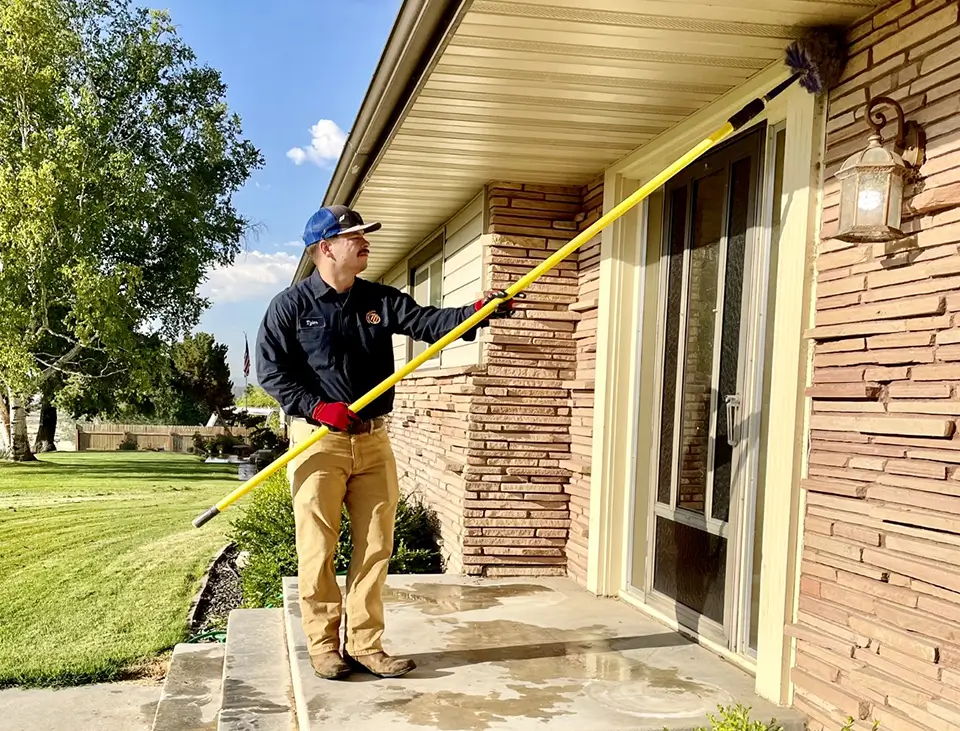
Idaho homeowners face ongoing pest pressure driven by seasonal shifts, changing moisture levels, and a wide range of residential environments. Insects, rodents, and lawn pests respond quickly to these conditions, often becoming active before visible signs appear inside the home. This makes reactive pest treatment unreliable for long-term protection.
Regular pest control focuses on prevention, early detection, and continuity. Instead of addressing problems after pests have settled in, maintenance-based service creates consistent oversight that limits pest activity before it escalates. Over time, this approach helps maintain comfort, protect property, and reduce the likelihood of recurring infestations.
Preventing infestations before they escalate
One of the most important benefits of regular pest control is its ability to interrupt pest activity early. Many pests establish themselves quietly, building populations in hidden areas before homeowners realize there is a problem.
Routine maintenance helps prevent escalation by:
- Identifying early signs of insect and rodent activity
- Reducing nesting and breeding conditions around the structure
- Addressing entry points along foundations, doors, and utility lines
- Limiting seasonal surges before populations expand
In Idaho, temperature swings often push pests indoors for shelter or outward into yards and crawl spaces during warmer months. A preventive schedule accounts for these patterns and reduces the chance of sudden infestations that require extensive corrective treatment later.
Supporting a healthier indoor living environment
Pest activity affects more than just comfort. When insects or rodents remain active indoors, they can contribute to hygiene concerns and reduced indoor air quality over time. Regular pest control helps manage these risks by maintaining lower pest populations consistently.
A maintenance approach supports healthier indoor spaces by:
- Reducing exposure to droppings, shed skins, and nesting debris
- Limiting pest movement through kitchens, storage areas, and living spaces
- Minimizing stress and sleep disruption caused by ongoing pest activity
When pest pressure is addressed early, it becomes easier to maintain clean and comfortable indoor conditions. This proactive approach reduces the need for intensive corrective measures and helps preserve overall household well-being.
Protecting structures and long-term property value
Structural damage caused by pests often develops gradually. Rodents may chew wiring or insulation, while burrowing pests can destabilize soil and landscaping. Because this damage is not always immediately visible, regular monitoring plays a critical role in long-term property protection.
Ongoing maintenance helps safeguard homes by:
- Detecting gnawing or nesting activity before major damage occurs
- Monitoring attics, crawl spaces, and wall voids for early warning signs
- Identifying moisture conditions that attract insects
- Reducing exterior conditions that increase pest access
Outdoor pest activity is especially relevant in Idaho, where lawns and soil conditions can support burrowing pests. This resource on lawn pest damage explains how gophers and voles affect lawns and why consistent monitoring helps protect both landscaping and structural stability.
Adapting to seasonal pest activity in Idaho
Pest behavior changes throughout the year, and Idaho’s seasons strongly influence when and where activity occurs. Some pests become more visible in spring and summer, while others move indoors during colder months in search of warmth and food.
Regular pest control adapts to these shifts by:
- Adjusting monitoring based on temperature and moisture changes
- Focusing on entry points as structures expand and contract seasonally
- Addressing landscaping growth that increases hiding opportunities
- Responding to weather-driven pest movement patterns
Seasonal preparation plays a key role in prevention. Proactive planning during transitional periods reduces the likelihood of pests establishing themselves for the year. A structured approach like following a spring pest checklist helps address vulnerabilities early, when pest populations are easier to control.
Why consistent professional maintenance delivers better results
Regular pest control is most effective when guided by professional evaluation and continuity. Maintenance programs build on previous visits, using observations and data to refine monitoring and treatment over time. This creates a more predictable and stable level of protection.
Professionally managed maintenance emphasizes precision rather than overcorrection. Instead of broad or unnecessary applications, professionals focus on identified risk areas, current activity, and environmental conditions. This approach reduces wasted effort while improving long-term outcomes.
Consistency also allows patterns to emerge. Small changes in pest activity can be identified early, making adjustments before infestations take hold. Over time, this reduces disruption and helps maintain control with fewer surprises.
Regular pest control is not about reacting to emergencies. It is about maintaining balance through planning, monitoring, and informed decision-making. For Idaho homeowners, this steady approach supports comfort, property protection, and peace of mind throughout the year.
A smarter way to protect your home
If maintaining a comfortable and well-protected Idaho home is a priority, regular service offers advantages that go beyond short-term fixes. Contact Alpha Home Pest Control to learn how a maintenance-based approach can support consistent pest management and long-term home protection.