 558 Reviews
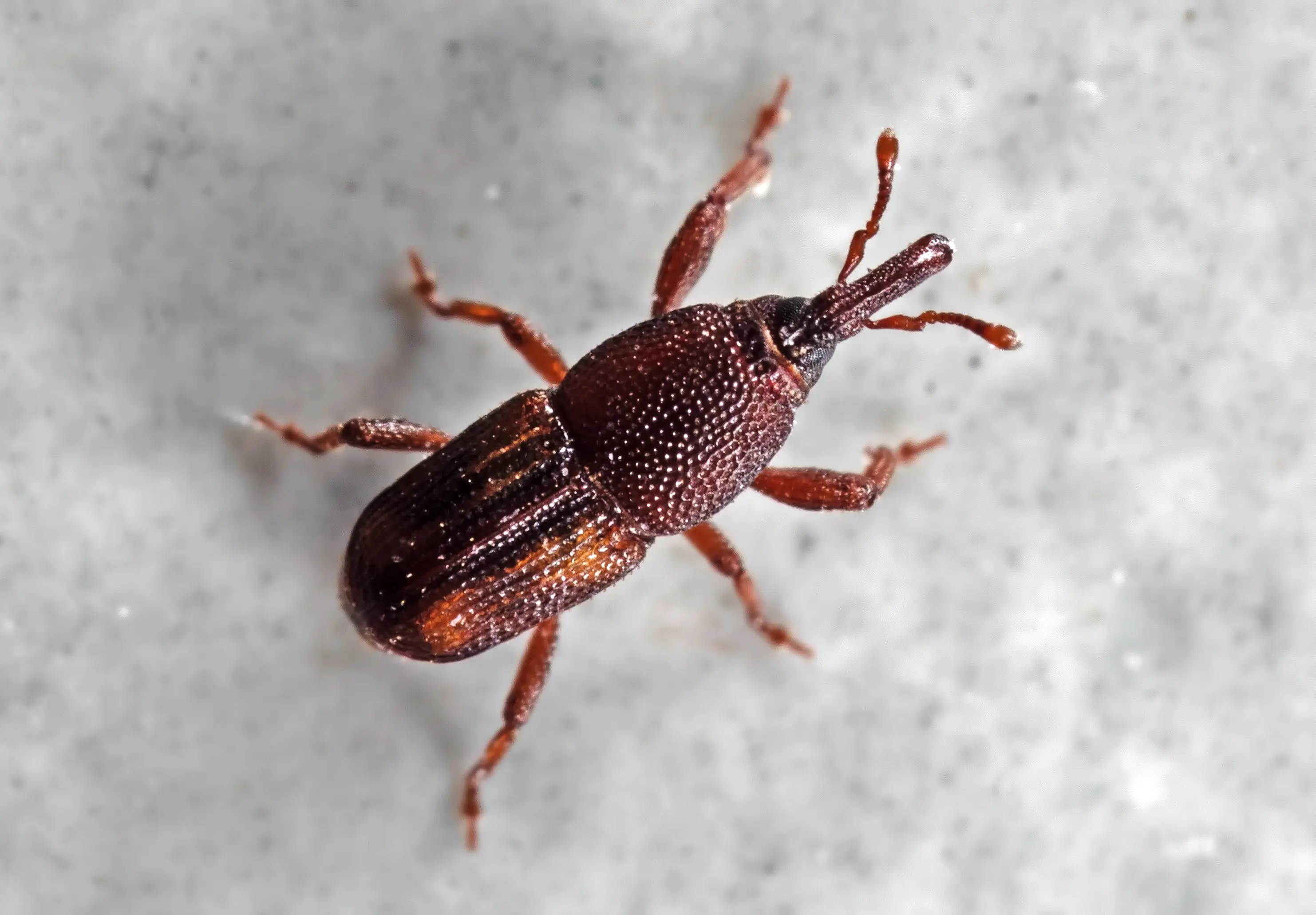
Healthy lawns across Idaho face unique challenges due to climate patterns, irrigation practices, and seasonal pest pressure. Among the most damaging turf pests in the region are billbugs, which often go unnoticed until lawns begin to thin, yellow, or die back entirely. Their activity occurs largely below the surface, making early detection difficult without trained evaluation.
Understanding how these pests operate and why professional oversight matters helps homeowners protect turf health and avoid long-term lawn decline. Expert assessment ensures damage is accurately identified and treated at the right stage for lasting recovery.
How Billbug Damage Develops Beneath Idaho Lawns
Billbugs spend much of their life cycle hidden within turf and soil. Adult insects lay eggs near grass stems, and the larvae that hatch feed internally, hollowing out grass crowns and roots. This feeding pattern disrupts the plant’s ability to absorb water and nutrients, leading to rapid deterioration even when irrigation and mowing practices appear correct.
Several factors common in Idaho lawns increase vulnerability, including compacted soil, consistent irrigation, and cool-season turf varieties. Because the damage begins below ground, surface symptoms often resemble drought stress or disease. Without proper identification, treatment timing can be missed, allowing populations to expand.
A deeper look at billbug behavior and lifecycle stages is outlined in this resource on billbug lawn damage, which explains why surface-level observation alone is rarely enough.
Visual Signs That Often Appear Too Late
Billbug damage becomes most noticeable only after the underlying injury has already progressed beneath the turf surface. Because larvae feed inside grass stems and root crowns, lawns may appear healthy from above during the early stages. By the time visible symptoms develop, a significant portion of the turf’s support system has already been compromised.
Homeowners often mistake early billbug damage for common lawn stress, which delays proper treatment. Visual changes typically intensify during warmer months when grass demands increase and weakened roots can no longer keep up. At this stage, even well-maintained lawns can decline rapidly.
Common warning signs include:
- Irregular brown or yellow patches that continue to expand
- Grass blades that wilt despite adequate irrigation
- Turf that pulls away easily due to destroyed root systems
- Hollowed or chewed stem bases visible upon close inspection
- Thinning areas that expose soil and invite secondary problems
As feeding progresses, affected grass loses its ability to anchor firmly in the soil. This makes turf vulnerable to foot traffic, heat stress, and weed invasion. Because these symptoms overlap with drought stress and disease, accurate identification requires trained assessment. Professional evaluation confirms whether billbugs are present and determines the extent of damage, allowing corrective action before lawn loss becomes widespread and recovery options narrow.
Why Idaho Conditions Increase Lawn Risk
Idaho’s seasonal transitions create conditions that favor turf pests. Cool springs followed by warm summers allow billbug populations to establish before damage becomes obvious. Irrigated lawns provide consistent moisture, which supports larval development beneath the surface.
Additional regional factors include:
- Heavy use of bluegrass and fescue varieties favored by billbugs
- Soil compaction from foot traffic or equipment
- Temperature fluctuations that mask early stress signs
- Short growing seasons that limit turf recovery windows
Because turf damage often accelerates quickly once feeding peaks, a delayed response can lead to widespread lawn loss. Expert treatment strategies account for these regional factors and apply solutions that align with Idaho’s growing conditions rather than generic schedules.
Why Professional Treatment Delivers Better Outcomes
Effective billbug management depends on precise timing, correct identification, and understanding where activity is occurring within the lawn profile. Treatments applied too early or too late fail to reach the most damaging life stages. Professionals use monitoring techniques and turf assessment methods that reveal infestation levels before damage becomes irreversible.
Expert treatment offers advantages such as:
- Accurate identification, separating insect damage from disease or drought
- Targeted application based on lifecycle timing
- Reduced risk of turf stress from incorrect treatments
- Guidance on recovery steps after damage is controlled
Because billbugs remain protected within grass crowns and soil, surface-level approaches lack the reach required for effective control. Professional oversight ensures treatments address the root cause rather than symptoms, preserving turf density and long term lawn health.
Why Seasonal Timing Matters In Control Planning
Billbug activity does not stop simply because temperatures drop. While feeding slows, populations persist below ground and can resume activity as conditions improve. Planning inspections and treatments with seasonal behavior in mind prevents repeat infestations and cumulative damage.
Winter and early spring evaluations allow professionals to assess turf conditions before visible stress returns. This proactive approach limits population rebound and reduces the severity of damage during peak growing months. Homeowners considering seasonal care often overlook this window, yet it plays a critical role in effective lawn protection.
For insight into the importance of off-season planning, this article on winter pest service timing explains why year-round strategies support better long-term results.
Protect The Lawn From The Ground Up
Billbug damage rarely resolves on its own and often worsens without proper intervention. Expert evaluation ensures accurate diagnosis, precise treatment timing, and guidance that supports full turf recovery. To address lawn damage efficiently and protect long-term turf health, contact Alpha Home Pest Control.