 558 Reviews
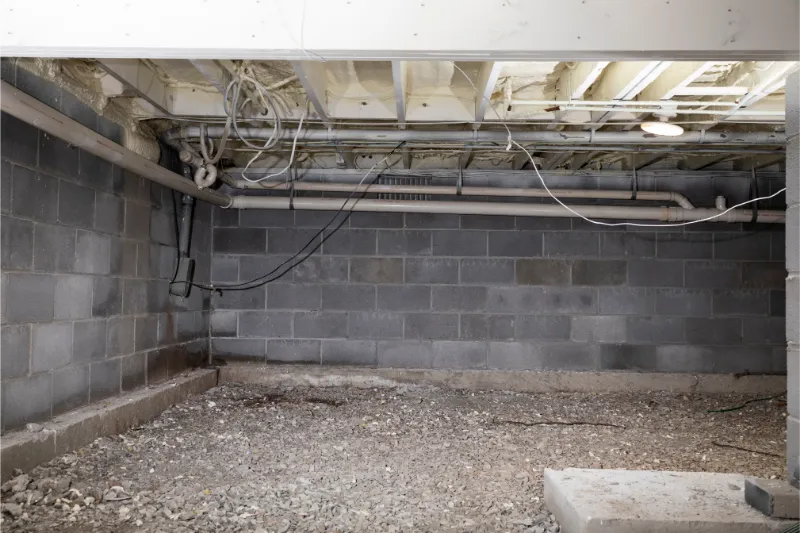
Winter shifts pest behavior in ways many homeowners do not anticipate. While outdoor activity may seem reduced, crawl spaces often become more active during colder months. These enclosed areas retain warmth, shelter, and moisture, creating stable conditions that attract pests seeking protection from freezing temperatures. A winter pest inspection focused on the crawl space can uncover developing issues that remain hidden until visible damage or indoor infestations occur.
Because crawl spaces support structural elements, plumbing, insulation, and air circulation, pest activity in these areas can affect far more than just comfort. Identifying warning signs early helps protect the home from long-term structural, health, and efficiency concerns.
Persistent Moisture and Odors Beneath the Home
Winter conditions can trap moisture inside crawl spaces, especially when ventilation is limited or ground moisture remains from fall weather. Damp environments provide ideal conditions for insects that thrive in humid spaces and encourage the deterioration of building materials.
Common warning signs include:
- Musty or earthy odors entering living spaces
- Condensation on pipes, ductwork, or subflooring
- Damp soil or standing water beneath the structure
- Mold or mildew forming on wood or insulation
These conditions frequently attract cockroaches, which rely on moisture to survive. Crawl spaces offer an undisturbed environment where populations can persist unnoticed. Homeowners concerned about moisture-driven infestations may benefit from reviewing information on cockroach infestation warning signs, which explains how hidden areas allow activity to grow undetected.
Unchecked moisture also accelerates wood decay and insulation damage, making winter inspections especially important when drying conditions are limited.
Increased Pest Activity Inside the Living Space
As outdoor temperatures drop, pests that remain active year-round begin moving closer to heat sources. Crawl spaces serve as a staging area, allowing insects and rodents to access wall voids, utility lines, and interior rooms without immediate detection.
Signs of increased winter activity include:
- Cockroaches appearing in kitchens, bathrooms, or laundry rooms
- Spiders congregating near vents, baseboards, or storage areas
- Ants emerging along foundation walls or interior cracks
- Rodent noises, droppings, or nesting signs near lower levels
These signs often indicate access points originating in the crawl space. A winter pest inspection helps identify entry gaps, compromised vents, or damaged barriers that allow pests to move indoors. Addressing these vulnerabilities early reduces the risk of sustained infestations throughout the colder months.
Structural Changes and Insulation Disturbances
Cold weather places added strain on crawl space materials. Temperature fluctuations, moisture buildup, and pest activity can all contribute to structural changes that may go unnoticed without inspection.
Indicators of concern include:
- Insulation that has fallen, sagged, or shifted
- Chewed or torn insulation materials
- Gaps forming around pipes, wiring, or duct penetrations
- Wood debris or fine particles beneath the home
Rodents commonly disturb insulation while nesting, reducing its effectiveness and exposing floors to cold air. Insects and spiders take advantage of loosened materials to establish protected harborages. These conditions affect energy efficiency, indoor comfort, and long-term durability. Professional inspections assess both pest presence and the condition of critical crawl space components.
Cold Floors and Unexpected Energy Costs
During winter, crawl space conditions have a direct impact on indoor comfort and heating efficiency. When insulation becomes compromised or moisture builds up below the home, cold air is able to travel upward through floor systems and wall cavities. These changes often go unnoticed at first, yet they steadily increase energy demand and reduce comfort across living areas.
A winter pest inspection helps determine whether crawl space issues are contributing to temperature inconsistencies and rising utility costs. Pests that remain active during winter can displace insulation, create air gaps, or damage materials that are essential for maintaining thermal protection.
Common indicators linked to crawl space problems include:
- Floors that feel consistently cold, even when heating systems are running
- Drafts near baseboards or lower wall sections
- Uneven room temperatures between levels of the home
- Higher heating bills without corresponding usage changes
- Increased system run time as furnaces work harder to maintain comfort
When insulation loses contact with subfloor surfaces or becomes saturated with moisture, its ability to regulate indoor temperatures declines. Rodents and insects often worsen these conditions by nesting within insulation or traveling along ductwork. Over time, energy loss compounds, placing strain on heating equipment and increasing monthly costs. Professional evaluation during winter identifies these hidden contributors and ensures crawl space conditions support efficiency, comfort, and long-term home performance.
Why Winter Is a Critical Season for Inspection
Winter is often misunderstood as a dormant season for pests, yet many species remain active and concealed. Crawl spaces provide consistent conditions that allow infestations to persist while remaining largely invisible. Inspections during winter reveal issues that might be masked by airflow or access limitations during warmer months.
Winter inspections allow professionals to:
- Detect active infestations before spring population increases
- Assess moisture levels during peak condensation periods
- Identify structural vulnerabilities exposed by temperature shifts
- Prevent damage that worsens through freeze and thaw cycles
For homeowners evaluating seasonal service timing, this resource on winter pest service timing explains why colder months remain an important opportunity for prevention rather than delay.
Guard the Spaces You Never See
Winter hides problems where few homeowners look. A crawl space inspection provides clarity when conditions make issues harder to detect. For expert evaluation and reliable solutions, contact Alpha Home Pest Control.