 558 Reviews
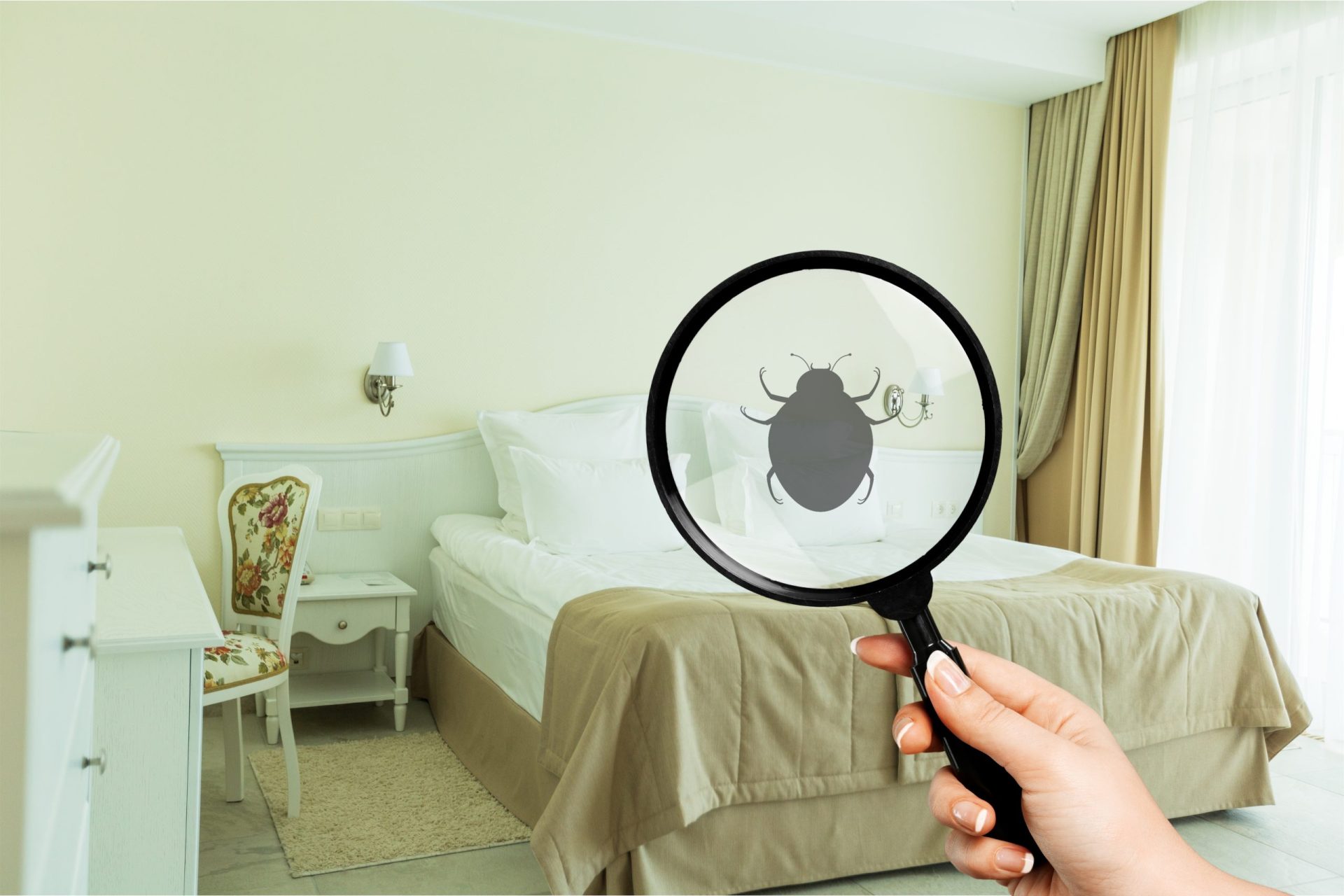
Bed bugs are among the most persistent household pests, and eliminating a bed bug infestation rarely happens overnight. Unlike occasional invaders, bed bugs live close to people, hide in difficult-to-reach spaces, and reproduce steadily when conditions allow. Because of this, treatment timelines depend on far more than a single service visit.
From a professional standpoint, bed bug elimination is a controlled process that unfolds in stages. Inspection, treatment, follow-up, and confirmation all play essential roles. Understanding how long each phase typically takes helps set realistic expectations and prevents frustration during the process.
This article explains common treatment timelines, the factors that influence them, and why structured professional strategies consistently achieve better long-term results.
Understanding the typical bed bug treatment timeline
In most residential settings, resolving a bed bug infestation takes several weeks. While some reduction in activity may be noticeable shortly after treatment begins, complete elimination requires time to address all life stages.
Typical timelines often fall into these ranges:
- Light infestations may take two to four weeks from initial service to confirmation
- Moderate infestations usually require four to six weeks with multiple treatments
- Heavy or widespread infestations may take six to eight weeks or longer
These timelines exist because bed bugs lay eggs that are resistant to many treatment methods. Eggs hatch over time, which means follow-up visits are necessary to eliminate newly emerged insects before they mature and reproduce.
Attempting to shorten this process by skipping steps often leads to lingering populations and repeated outbreaks. Effective treatment prioritizes completeness rather than speed.
Factors that influence how long elimination takes
Every bed bug infestation is unique. Several factors directly affect how long elimination takes and how complex the treatment process becomes.
Key influences include:
- How long the infestation has been present before detection
- The number of rooms or areas involved
- Furniture density, clutter levels, and hiding opportunities
- Previous treatment attempts that may have scattered activity
- Preparation accuracy and consistency between visits
Multi-unit housing often presents additional challenges. Bed bugs can move between units through walls and shared utilities, extending treatment timelines even when one residence follows instructions closely. Early detection and containment are major advantages in shortening the overall process.
What happens during each phase of treatment
Professional bed bug control follows a structured sequence designed to reduce activity systematically and prevent rebound.
- Inspection and assessment identify harborages, travel paths, and infestation scope
- Initial treatment focuses on active zones where bed bugs feed and hide
- Follow-up treatments target newly hatched insects and overlooked areas
- Monitoring confirms that activity has fully stopped
Each phase builds on the previous one. Skipping follow-up or monitoring removes the opportunity to verify success and adjust if needed. Bed bugs are highly resilient, and partial treatment often creates the illusion of progress while populations quietly recover.
Why follow-up and monitoring are critical
Follow-up visits are one of the most important elements in eliminating a bed bug infestation. Even well-executed initial treatments cannot address every egg or hidden insect at once.
Monitoring allows professionals to:
- Detect lingering activity before populations rebound
- Confirm that treatment coverage reached all necessary areas
- Adjust methods if bed bugs relocate or behavior changes
- Document progress and final resolution
Extended infestations can affect more than comfort. Ongoing exposure may disrupt sleep, increase stress, and cause skin irritation. Broader health considerations related to household pests are discussed in this resource on pests and allergies, which explains why timely and thorough control is important for overall well-being.
Consistent follow-up also reduces the likelihood of reinfestation. Confirming that activity has fully stopped is what separates temporary relief from lasting results.
When professional efficiency makes the difference
Bed bug infestations do not follow seasonal patterns. They remain active year-round, regardless of temperature or weather. Delaying treatment based on assumptions often allows populations to grow larger and more difficult to manage. Information on winter pest services explains why addressing infestations promptly leads to more efficient outcomes.
Professional efficiency comes from experience, planning, and precision. Structured programs focus on:
- Accurate identification and targeted containment
- Life-cycle-based timing for follow-up treatments
- Reduced disruption through focused application strategies
- Clear communication throughout the elimination process
This methodical approach limits wasted effort and avoids repeated cycles of treatment. Instead of reacting to visible activity alone, professionals evaluate the entire environment to ensure long-term control.
Ready for real resolution?
If you are dealing with a persistent bed bug infestation and want a clear path to resolution, contact Alpha Home Pest Control to discuss a treatment plan built for efficiency, verification, and lasting results.