 558 Reviews
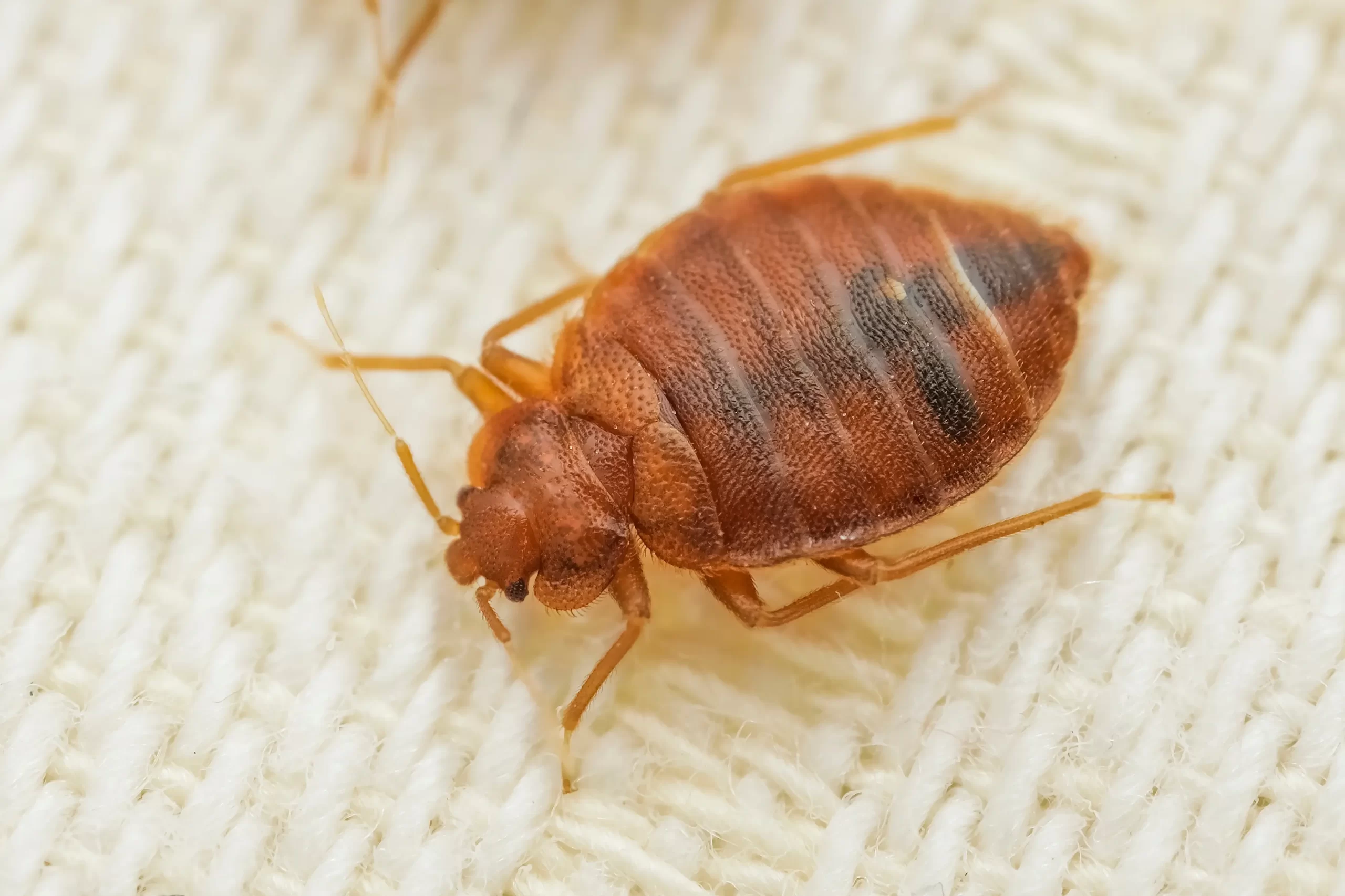
Bed bugs are among the most challenging household pests to eliminate. Unlike common invaders such as ants, spiders, wasps, rodents, cockroaches, termites, mosquitoes, fleas, and ticks, bed bugs live in close proximity to people and feed discreetly at night. Their ability to hide in tiny crevices and reproduce quickly makes complete removal complex.
A common question property owners ask is whether bed bug control can be achieved without using chemicals. The answer depends on the severity of the infestation, the environment, and the methods applied. From a professional standpoint, non-chemical approaches can play a role, but they rarely succeed on their own when an infestation is well established.

Understanding How Bed Bugs Survive and Spread
To evaluate non-chemical options, it is important to understand how bed bugs behave.
- Bed bugs hide in mattress seams, bed frames, headboards, baseboards, furniture joints, and wall voids
- They can survive for months without feeding, making a temporary vacancy ineffective
- Eggs are resistant to many environmental changes and hatch in stages
- They spread easily through luggage, clothing, furniture, and shared living spaces
Because of these traits, bed bugs are not comparable to occasional nuisance pests. Their life cycle requires a comprehensive plan that addresses adults, nymphs, and eggs simultaneously.
Professionals approach bed bug control by assessing the full scope of activity rather than focusing only on visible insects. Even a small cluster of overlooked eggs can restart the infestation within weeks.
Non-Chemical Methods Used in Bed Bug Control
Non-chemical strategies are often discussed as safer or more natural alternatives. In reality, these methods are typically integrated into a broader treatment program rather than used alone.
- Heat remediation: High, sustained temperatures can eliminate bed bugs at all life stages when applied correctly and evenly throughout a space
- Steam treatments: Targeted steam can kill visible bugs and eggs on contact, especially in seams and folds
- Vacuum extraction: Specialized vacuuming removes active insects and debris from surfaces
- Encasements: Mattress and box spring encasements trap remaining insects and prevent harborages
- Physical exclusion: Sealing cracks and crevices limits future hiding spots
While these methods are effective components of bed bug control, they require precision. For example, heat must penetrate deep into furniture and structural voids. Inconsistent temperatures or incomplete coverage may leave survivors behind.
Steam treatments can also be limited by access and technique. Improper application may push insects deeper into hiding rather than eliminating them.
Limitations of Chemical-Free Approaches
Non-chemical approaches have value, but they present limitations that property owners should understand.
- Large infestations often extend beyond visible sleeping areas
- Bed bugs may hide behind electrical outlets, inside walls, or beneath flooring
- Eggs may be missed without thorough inspection tools
- Multiple treatment cycles are typically required
Professional assessments consistently show that relying solely on physical methods can prolong the elimination timeline. As explained in this discussion on the bed bug elimination timeline, complete eradication often involves repeated inspections and strategic follow-ups.
In many cases, integrated treatment plans combine non-chemical techniques with carefully selected products. This integrated approach increases efficiency while maintaining safety standards for residential environments.
The goal is not simply to reduce activity but to eliminate the infestation entirely. Partial success may lead to recurring bites and continued spread.
The Role of Integrated Professional Treatment
From an expert perspective, the most reliable path to elimination involves integrated pest management. This strategy blends inspection, monitoring, targeted treatments, and preventative measures.
Integrated bed bug control typically includes:
- Detailed inspection using professional tools and trained observation
- Identification of all harborages, not just obvious areas
- Strategic use of physical and, when necessary, residual treatments
- Scheduled follow-up visits to confirm elimination
- Education for occupants to prevent reintroduction
Bed bugs are only one of many structural pests encountered in residential properties. Homes may also face issues involving ants, spiders, wasps, rodents, cockroaches, termites, mosquitoes, fleas, and ticks. Maintaining overall structural protection supports long-term comfort and reduces the risk of future infestations.
For a broader context, reviewing the benefits of regular maintenance highlights how ongoing monitoring can prevent small pest concerns from escalating.
When bed bugs are discovered, early professional involvement increases the likelihood of swift resolution. Attempting partial measures may allow populations to expand into adjacent rooms or neighboring units.
Why Professional Oversight Matters in Bed Bug Control
Bed bugs create stress, sleep disruption, and concern about contamination. While non-chemical methods may appear appealing, successful elimination depends on expertise, equipment, and consistency.
Professionals evaluate:
- The size and distribution of the infestation
- Structural features that influence hiding patterns
- Occupant habits that may affect the spread
- The safest and most effective treatment sequence
Even when non-chemical techniques are prioritized, execution requires careful planning. Heat equipment must be calibrated. Steam must reach precise temperatures. Monitoring devices must be placed strategically.
In multi-unit housing or high-traffic residences, untreated units may reintroduce bed bugs if coordination is lacking. Professional oversight ensures the entire environment is considered.
Ultimately, the objective is not temporary relief but confirmed eradication. Verified follow-up inspections are critical to ensure that eggs have hatched and no further activity is present.
Restore Comfort With Experienced Support
If you suspect bed bug activity or want clarity on the most effective bed bug control strategy, professional guidance can make the difference. Contact Alpha Home Pest Control to schedule an inspection and receive a comprehensive evaluation tailored to your property.