 558 Reviews
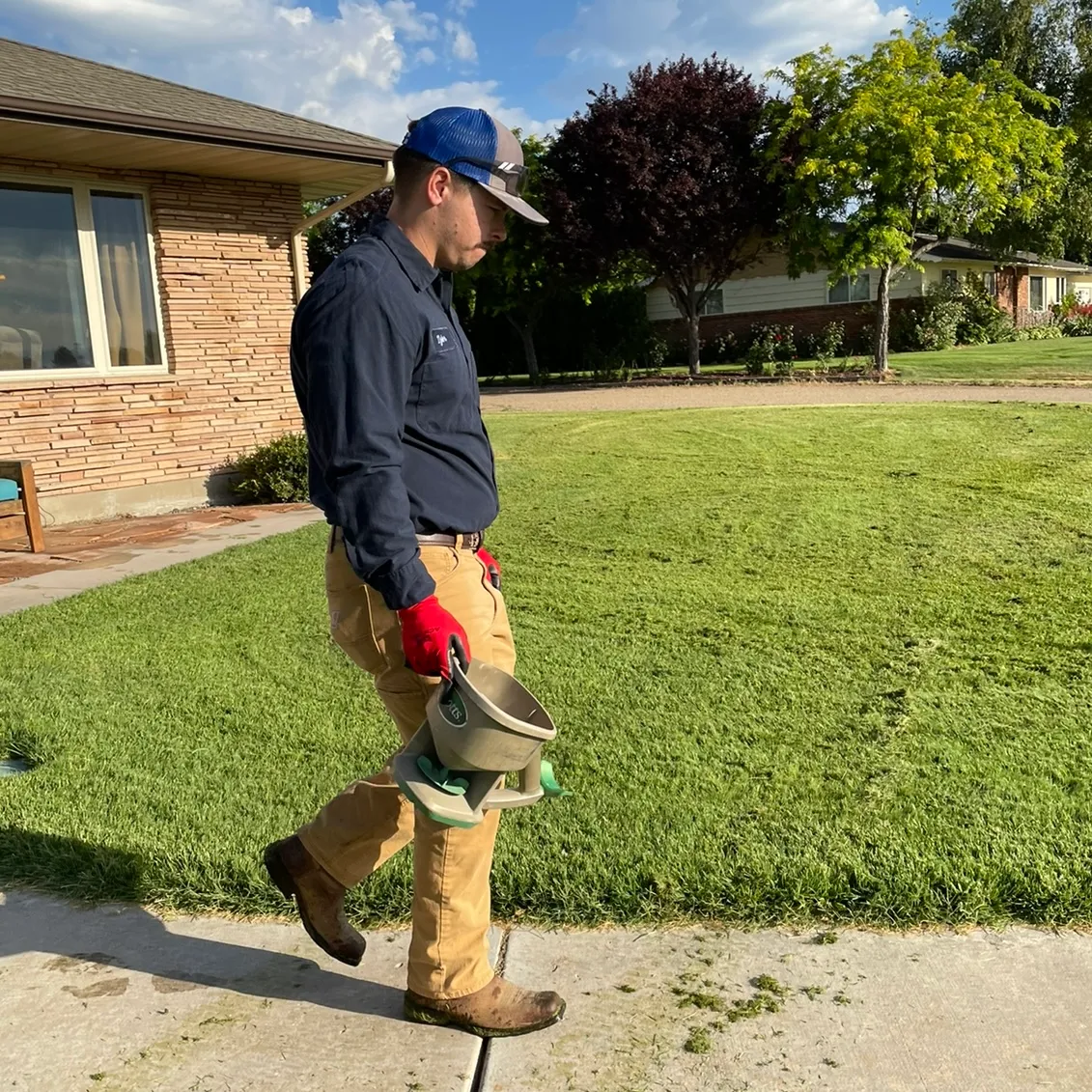
When pests appear in a home with small children, safety becomes part of the treatment decision from the very beginning. Parents are not only thinking about how to stop the infestation. They are also thinking about floors where toddlers crawl, surfaces little hands touch, and spaces where pets eat, sleep, and play. That is why questions about pet-friendly treatments are so common.
In professional pest control, pet-friendly treatments are not simply about choosing a product with a gentler label. The larger issue is how the treatment is selected, where it is placed, how much is used, and how exposure is limited during and after service. In homes with children, those details matter because young kids interact with the environment differently than adults do.
A treatment can be effective and still require thoughtful handling. That is especially true when addressing household pests such as ants, spiders, rodents, cockroaches, bed bugs, fleas and ticks, mosquitoes, and wasps. The most responsible approach is one that balances pest elimination with practical household safety.
What pet-friendly treatments really mean in a family home
Pet-friendly treatments are best understood as part of a controlled strategy, not as a promise that every product can be used casually in every area. In a home with small children, treatment plans should reflect the way the family actually lives. That includes play areas, nap spaces, pet zones, kitchens, and entry points where pest activity is most likely to begin.
- Targeted applications are placed where pests travel or hide, rather than spread broadly across living spaces
- Treatment amounts are measured carefully to reduce unnecessary residue
- Non-chemical measures such as sealing entry points and correcting conditions are often built into the plan
- Post-treatment instructions help families know when treated areas can be used normally again
This kind of approach matters because children are closer to floors, more likely to touch baseboards, and less likely to avoid recently treated areas on their own. Good pest control planning accounts for that. It does not treat the entire home as if every room has the same risk profile. It focuses on pressure points and pest behavior.
A helpful way to better understand this approach is through these eco-friendly methods, which explain how modern pest control prioritizes precision and safety.
Why small children change the treatment conversation
Children are not just smaller adults. Their habits create unique exposure concerns, which is why treatment planning has to be more deliberate in family homes. A toddler may crawl across a surface, place toys in the mouth, or sit near a baseboard without any awareness of where pest activity has been found. That is why professional judgment matters as much as the treatment itself.
In many cases, the safest path is not the lightest possible response. It is the most precise one. A poorly handled infestation can spread and create its own health and sanitation concerns. Rodents can leave droppings in hidden spaces. Cockroaches can contribute to allergens in the home. Fleas and ticks can affect both pets and people. Wasps and mosquitoes can turn outdoor areas into places families avoid. The goal is not to use more product. The goal is to solve the problem with control and accuracy.
Professionals also know how to adjust for room function. A nursery, a pantry, a laundry room, and a garage do not present the same risks or require the same treatment decisions. That level of planning is difficult to replicate without experience, especially when protecting children is part of the equation.
Common household pests that require careful treatment planning
Not every pest creates the same urgency, and not every infestation should be handled the same way. The types of pests addressed in residential pest control highlight several concerns that commonly affect homes and require tailored treatment decisions.
- Ants often enter kitchens, food storage spaces, and wall voids, which means treatment must focus on travel routes rather than open living surfaces
- Spiders are frequently found in corners, garages, crawl areas, and low-traffic spaces, where targeted treatment is usually more effective than broad application
- Rodents create problems through contamination, nesting, and entry through small gaps, making exclusion an important part of the solution
- Cockroaches can thrive in hidden, humid spaces and are especially concerning in homes where sanitation and allergen exposure matter
- Bed bugs require highly specific treatment because they hide deep in sleeping and resting areas
- Fleas and ticks often involve both indoor and pet-related considerations, which means household treatment has to be coordinated carefully
- Mosquitoes and wasps create more of an outdoor concern, but that still affects children who use the yard regularly
This is where pet-friendly treatments make the most sense as part of a broader plan. Effective pest control is rarely just about the material being used. It is about matching the method to the pest, the location, and the household routine.
Why professional oversight improves both safety and results
One of the biggest misconceptions in pest control is that safer treatment simply means using less or choosing the mildest option available. In reality, safer treatment often means better placement, stronger inspection, and clearer follow-through. In homes with small children, that difference is significant.
Professionals evaluate where pests are entering, where they are nesting, and how likely they are to spread. That prevents unnecessary treatment in low-risk areas and concentrates attention where it matters most. It also helps families avoid the cycle of partial control, recurring activity, and repeated exposure from trying multiple approaches that never fully solve the issue.
- Inspections help determine whether the problem is isolated or expanding
- treatment placement can be adjusted around cribs, playrooms, pet bowls, and high-contact areas
- Follow-up visits allow the plan to shift if pest pressure changes
- Prevention steps reduce the chance of future infestations and repeated treatment needs
That long-term approach is part of why regular pest maintenance plays an important role in active family homes. When pests are managed early and consistently, there is often less need for bigger corrective action later.
Building a safer routine after treatment
Once treatment is complete, the home environment still plays a major role in keeping pests under control. Good prevention reduces pest pressure and supports the success of pet-friendly treatments over time.
Families can usually benefit from improving food storage, reducing moisture, sealing small openings, and keeping clutter lower in hidden spaces where pests settle easily. Outdoor maintenance also matters, especially for mosquitoes, wasps, and rodents. A safer home is not created by treatment alone. It is created by combining targeted service with practical upkeep.
When protection needs to feel practical
Pet-friendly treatments can absolutely be used in homes with small children, but the real answer depends on how the treatment is planned, applied, and supported afterward. Safe pest control is not casual pest control. It is thoughtful, specific, and shaped around real household conditions.
For families who want a careful and effective solution, contact Alpha Home Pest Control.