 558 Reviews
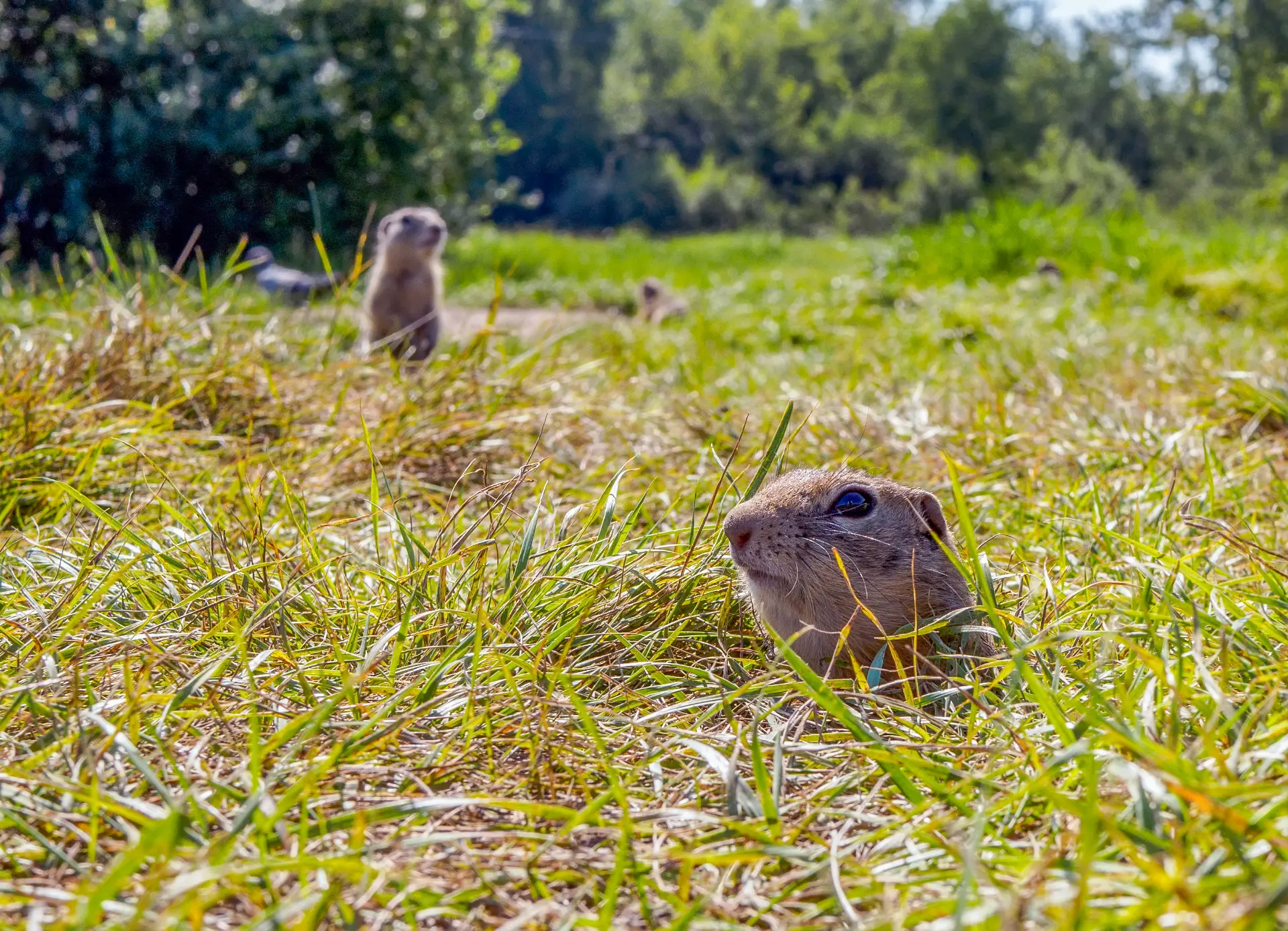
Lawns across Idaho often suffer damage that appears gradual at first, then suddenly becomes widespread. In many cases, the root cause lies below the surface. Gophers and voles are among the most destructive burrowing pests in the region, capable of undermining turf health long before visible signs emerge. Understanding how these animals behave and why their activity escalates is essential for protecting lawns, landscaping, and surrounding structures.
Idaho lawns also face seasonal conditions that can mask or accelerate damage. Irrigation routines, spring growth cycles, and periods of heavy moisture can help lawns rebound visually while the underlying roots continue to be clipped or disturbed. In other cases, the first warm stretch after winter reveals sudden browning and die back, not because the lawn failed, but because the supporting root structure has been compromised over time. A clear understanding of gophers and voles helps us interpret these patterns accurately and respond before repairs become costly.
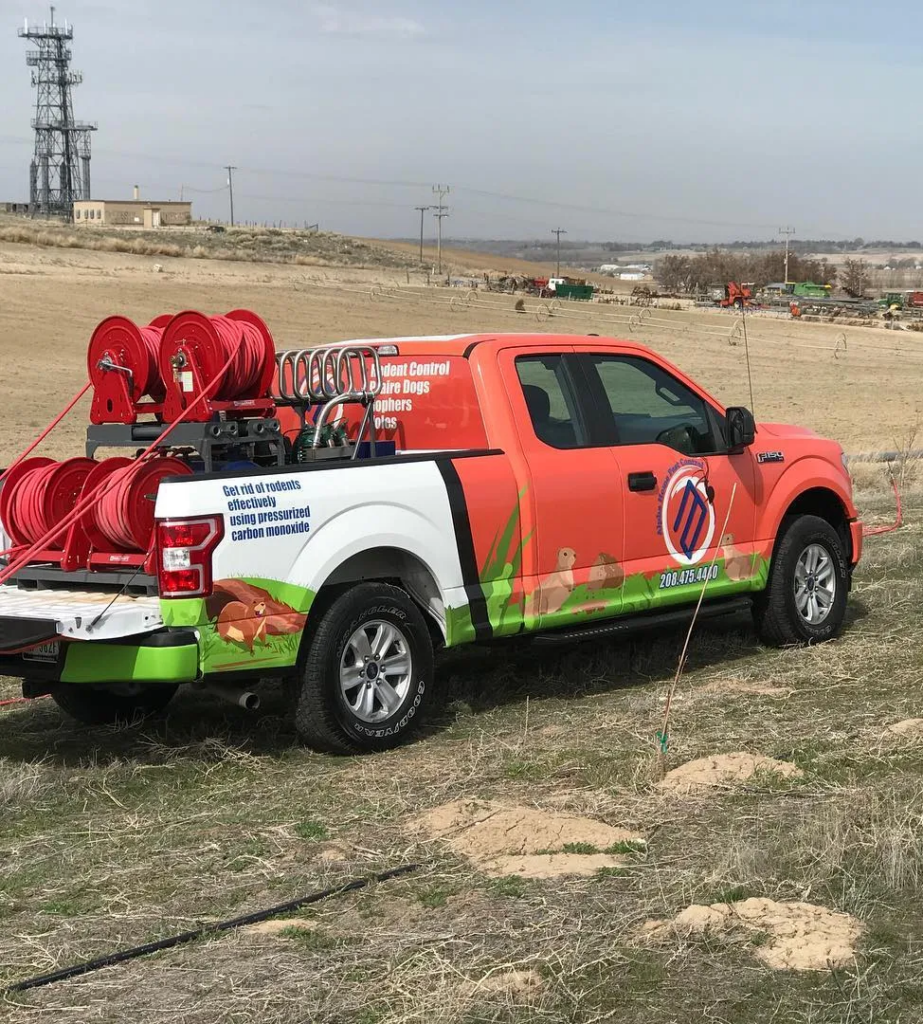
Understanding Gophers And Voles In Idaho Landscapes
Although they are frequently mistaken for one another, gophers and voles create very different patterns of damage. Idaho’s irrigated lawns, fertile soils, and seasonal moisture shifts create ideal conditions for both pests to thrive.
- Gophers are solitary burrowers that dig extensive underground tunnel systems, displacing soil and cutting through grass roots.
- Voles live closer to the surface and move through narrow runways, feeding on turf, roots, and ornamental plants.
- Both pests remain active for much of the year, including cooler months, allowing damage to accumulate unnoticed.
- Lawns with regular irrigation or dense vegetation provide consistent food and shelter.
Because most activity occurs underground, infestations are often well established before surface damage becomes obvious.
How Gophers And Voles Damage Lawns Below The Surface
The most severe lawn damage caused by gophers and voles happens where it cannot be easily seen. Their feeding and tunneling disrupt the relationship between soil structure, root systems, and moisture retention.
- Grass roots are severed or weakened, limiting nutrient and water uptake.
- Soil becomes unstable as tunnel networks expand, leading to uneven or sinking turf.
- Irrigation efficiency decreases when water drains into burrows instead of nourishing grass.
- Stressed turf becomes more vulnerable to disease pressure and weed intrusion.
In some properties, underground pest activity overlaps with broader moisture-related concerns near foundations. If lawn decline appears alongside indoor humidity, odors, or soil movement near the home, reviewing crawl space inspection signs can help connect the dots before damage spreads.
Subtle Signs Of Gopher And Vole Activity
One reason gophers and voles cause extensive damage is that early warning signs are easy to overlook or misinterpret. Lawn decline is often blamed on weather stress or soil quality rather than pest activity.
- Spongy areas that compress when walked on
- Narrow surface runways weaving through turf
- Fresh soil mounds appearing after irrigation
- Irregular browning or thinning patches
- Gnawing damage at the base of shrubs or young trees
These signs often become more noticeable as lawns transition out of winter. A spring pest checklist is also useful for spotting patterns that tend to show up when rodents and other pests become more active outdoors.
Why Gopher And Vole Problems Worsen Without Professional Control
Gophers and voles reproduce efficiently and adapt quickly to residential environments. Once established, their tunnel systems grow more complex, allowing damage to spread well beyond the original area of activity.
The challenge is not simply removing a single animal. These pests use protected travel routes underground, and activity can shift from one section of the yard to another as conditions change. If turf is reseeded or patched while burrowing continues, the lawn may appear to improve briefly, then decline again as roots are disrupted in the next active zone. This cycle is common when the underlying pattern of movement is not fully mapped.
Timing also matters. Activity levels can rise during seasonal transitions, after irrigation changes, or when nearby landscaping is disturbed by construction. In these moments, gophers and voles often extend tunnels into new zones, including along hardscape edges, under planter borders, or toward garden beds where food sources are concentrated. Without targeted control, the infestation becomes less predictable and more difficult to contain.
- Underground networks expand in multiple directions, making surface-level solutions ineffective.
- Lawn repairs fail when root damage continues unseen.
- Populations rebound quickly if control efforts are incomplete or mistimed.
- Secondary damage to irrigation lines and soil stability increases long-term restoration costs.
Professional control focuses on identifying active burrow systems, movement patterns, and environmental conditions that sustain infestations. This targeted approach addresses the source of the problem rather than visible symptoms alone, which is critical when turf loss looks like a watering issue but is actually root disruption.
Long-Term Lawn Protection Requires Strategic Action
Protecting Idaho lawns from gophers and voles requires more than repairing damaged turf. Long-term success depends on early detection, accurate identification, and control methods suited to local soil and climate conditions. Addressing these pests promptly helps preserve root health, maintain soil integrity, and reduce the likelihood of recurring infestations spreading to nearby areas.
Keep Your Lawn Healthy From The Ground Down
When lawn damage points to underground pest activity, expert evaluation helps prevent repeated disruption and costly repairs. Contact Alpha Home Pest Control to learn how professional assessment and targeted solutions can protect Idaho lawns with lasting efficiency.