 558 Reviews
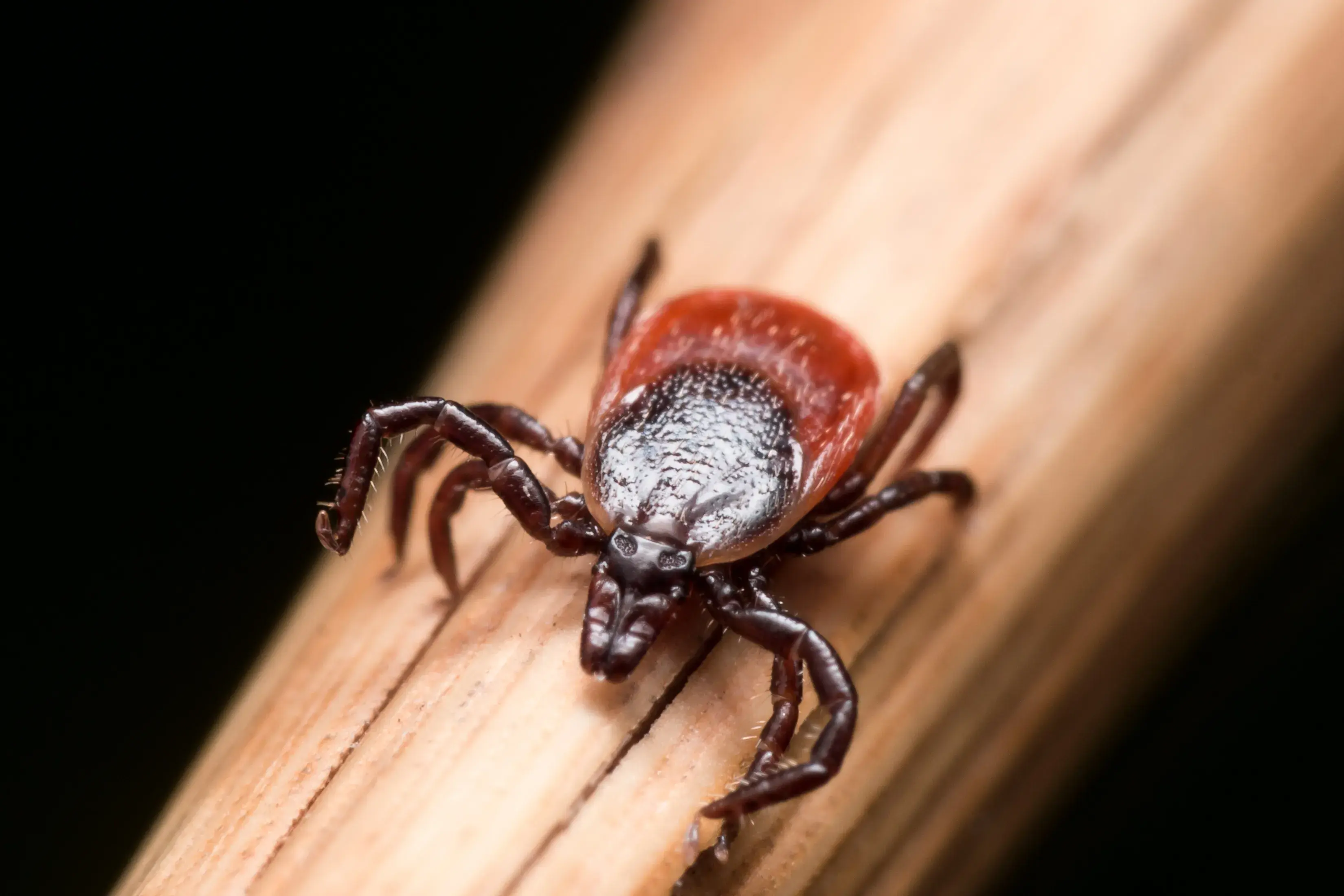
Late summer can feel like the end of peak pest season, but fleas and ticks often remain active while temperatures stay warm and pets continue spending time outdoors. Irrigated lawns, shaded landscaping, wildlife movement, and indoor resting areas can all support continued activity into early fall. That makes the transition between seasons an important time to review the spaces pets use most.
Effective tick control works best when indoor and outdoor conditions are considered together. Pets can carry fleas or ticks inside after spending time in grass, brush, parks, or neighboring yards, while fleas can continue developing in carpets, bedding, and upholstery. Professional inspection helps identify where activity is concentrated and which conditions are allowing it to persist.

Pay Attention To Shaded Yard Areas And Pet Pathways
Ticks tend to avoid hot, exposed ground when more protected areas are available. They are more likely to remain in shaded vegetation, along fence lines, beneath decks, or near paths where pets and wildlife regularly pass. Fleas can also build up in sheltered outdoor areas where animals rest.
Late-season areas worth watching include:
- Shaded grass beneath shrubs, trees, decks, and outdoor furniture
- Fence lines, groundcover, leaf litter, and landscape borders
- Pet-resting areas, kennels, and frequently used yard paths
- Woodpiles, storage zones, and sheltered spaces near outbuildings
- Property edges where rodents, birds, or other wildlife regularly move
A closer look at tick activity zones shows why the entire yard should not be treated as one uniform space. Professionals focus on humid, protected areas where ticks are more likely to wait for passing hosts.
As summer ends, changing irrigation schedules and cooler evenings can also shift where pests remain active. Monitoring these zones helps keep treatment focused instead of relying on broad, one-size-fits-all applications.
Keep Indoor Resting Spaces From Supporting Fleas
Indoor pets are not automatically protected from fleas. A short trip outside, contact with another animal, or even fleas carried in on clothing or shoes can introduce fleas indoors. Once fleas reach pet bedding, carpet edges, upholstery, or other soft surfaces, different life stages can remain hidden even when adult fleas are not obvious.
Important indoor areas include:
- Pet bedding, blankets, crates, and upholstered resting spots
- Carpet edges, rugs, and flooring near favorite sleeping areas
- Sofas, chairs, and cushions pets regularly use
- Baseboards and protected gaps close to pet traffic
- Entry areas where pets return indoors after outside activity
Understanding indoor flea attraction helps explain why attention should extend beyond the pet itself. Fleas can use the surrounding environment as part of their life cycle, making the room and nearby soft surfaces just as important as the animal’s coat.
Veterinarian-recommended flea and tick prevention remains important for pets, while professional pest control addresses the property-level conditions that support activity. Combining those two forms of protection creates a more complete approach than focusing on either the pet or the home alone.
Use Professional Monitoring As Seasonal Conditions Change
Late summer and early fall can bring uneven pest pressure. Warm days may keep fleas and ticks active outdoors, while cooler nights encourage pets to spend more time inside. Irrigation, wildlife movement, and changing vegetation can also create new hot spots from one month to the next.
A professional late-season plan may include:
- Inspecting pet-use areas indoors and outdoors before treatment
- Targeting shaded turf, fence lines, vegetation, and active pathways
- Treating selected indoor resting zones when confirmed activity has moved inside
- Adjusting placement around pets, landscape layout, and household routines
- Scheduling follow-up when weather or pest pressure continues to change
This evidence-based approach is important because fleas and ticks behave differently. Fleas can reproduce in indoor environments, while ticks often depend more heavily on outdoor habitat and passing hosts. Treating them as though they follow the same pattern can leave important areas unaddressed.
Professional tick control also considers how wildlife and rodents influence exposure. Seasonal follow-up can reveal whether activity is declining, shifting toward new sheltered areas, or returning along the same pet and wildlife travel routes. Animals moving along fences, yard edges, or landscaped boundaries can introduce new ticks even after earlier activity declines. That is why monitoring remains useful after the hottest part of summer has passed.
Long-term protection depends on keeping the property less supportive of both pests. Dense ground-level vegetation, leaf buildup, excess moisture, and sheltered pet-resting areas can all increase pressure. Indoors, attention to pet bedding and frequently used soft surfaces can help professionals identify whether flea activity has moved beyond the original source.
The end of summer should not be treated as an automatic stopping point for flea and tick awareness. Idaho’s warm season can extend activity, particularly around irrigated lawns and pet-friendly yards. A coordinated plan that connects pet care, property inspection, targeted treatment, and follow-up provides a clearer path to reducing recurring problems.
Keep Pet Spaces Comfortable Into Fall
If fleas or ticks are still showing up around your pet’s indoor or outdoor spaces, contact Alpha Home Pest Control for professional inspection, targeted treatment, tick control, and seasonal follow-up designed around your property and pet-use areas.